HOW IS CBP OPERATING DURING THE GOVERNMENT SHUTDOWN?
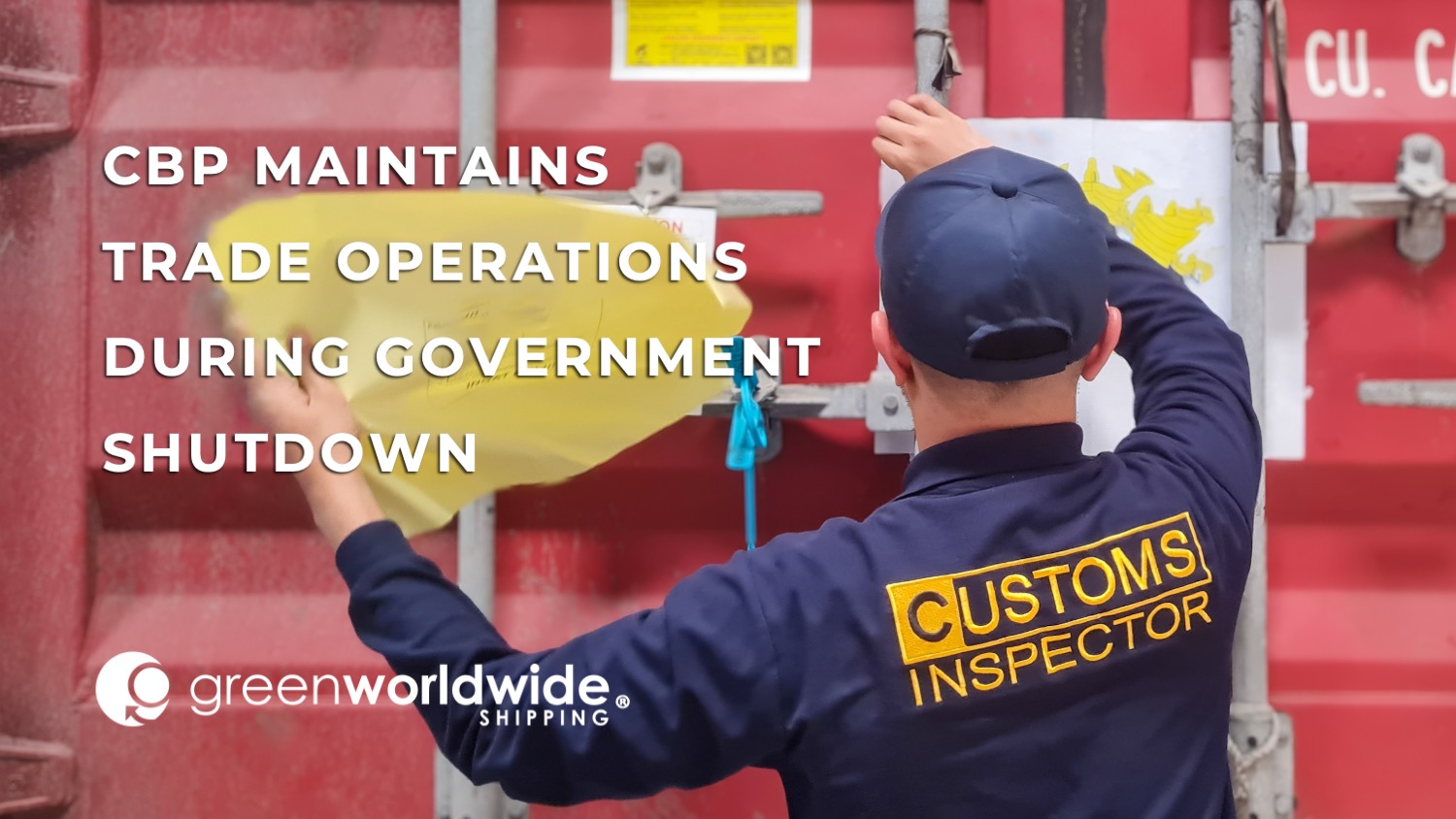
U.S. Customs and Border Protection (CBP) has confirmed that trade operations will continue without interruption during the federal government shutdown. All CBP personnel responsible for processing imports, enforcing tariffs, and managing trade compliance are classified as exempted employees and are required to report for duty. This ensures that critical functions, including cargo clearance, tariff administration, and compliance enforcement, remain operational throughout the funding lapse.
CBP officials have emphasized that implementation of new trade measures, such as forthcoming Section 232 tariffs, will proceed on schedule. Importers should expect no delay in processing entries, classification rulings, or fines, penalties, and forfeiture reviews. CBP’s Automated Commercial Environment (ACE) and the Cargo Systems Messaging Service (CSMS) continue to operate, providing normal communication channels for the trade community.
WHAT TRADE FUNCTIONS CONTINUE UNDER OTHER AGENCIES DURING THE SHUTDOWN?
Several partner government agencies critical to trade oversight have also confirmed that they are operating under their approved lapse plans, albeit with limited but sustained operations. The U.S. International Trade Commission (USITC) will continue maintaining the Harmonized Tariff Schedule of the United States (HTSUS), even as investigative and advisory functions pause. This ensures tariff codes and rates remain accessible and up to date for importers and brokers.
The Consumer Product Safety Commission (CPSC) will continue to interdict hazardous or violative products at ports of entry. These actions are classified as essential to the protection of human life and property and include monitoring reports of injuries, coordinating recalls for imminent hazards, and stopping shipments identified as high risk.
The U.S. Department of Agriculture (USDA) has likewise authorized several agencies to continue mission critical trade activities. The Animal and Plant Health Inspection Service (APHIS) remains fully operational in programs supported by user fees and no year funds, including agricultural quarantine inspections, phytosanitary certifications, and animal import and export services. The Food Safety and Inspection Service (FSIS) continues food safety operations, including mandatory inspection of meat, poultry, and egg products to protect public health. The Foreign Agricultural Service (FAS) and Trade and Foreign Agricultural Affairs (TFAA) staff remain active in ongoing trade negotiations and export oversight.
HOW DOES THE GOVERNMENT SHUTDOWN IMPACT TARIFF AND ENTRY PROCESSING?
CBP will continue to implement new and existing tariff programs as directed under applicable Executive Orders and proclamations. The agency’s trade systems remain active for tariff collections, entry summaries, and compliance validations. While the Treasury Department’s disbursement activities, such as refund checks or ACH payments, may be delayed due to funding restrictions, CBP retains its authority to process these transactions in the system pending Treasury release.
Importers should continue to file entries and monitor CSMS notices for updates on tariffs and procedural changes. CBP maintains open communication through its local port offices, which remain staffed and authorized to coordinate with partner government agencies to facilitate cargo clearance.
WHAT CAN IMPORTERS EXPECT IF THE SHUTDOWN CONTINUES?
Should the shutdown extend, CBP has indicated it will reassess personnel designations and coordinate with the Department of Homeland Security to maintain essential trade and enforcement functions. Partner agencies have similar provisions to sustain life and safety-related operations. For example, the USDA’s Forest Service and Natural Resources Conservation Service will continue wildfire suppression and watershed protection, while the Agricultural Marketing Service will continue fee-funded commodity grading and inspection services.
For the trade community, these continuity plans collectively mean that critical functions such as tariff enforcement, agricultural inspection, and safety compliance remain operational even in a funding lapse. Importers should expect minimal disruption in customs processing, classification updates, and enforcement procedures.
Stay up-to-date on freight news with Green’s Weekly Freight Market Update by following us on LinkedIn. For continuous updates, make sure to check out our website at greenworldwide.com.