
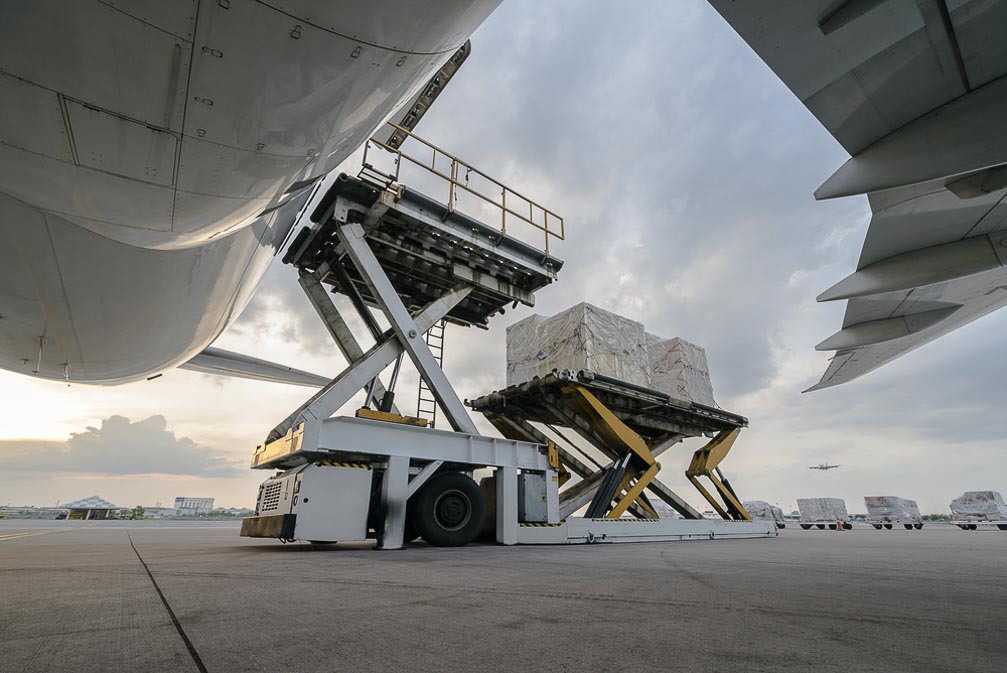
As the first quarter comes to a close, airfreight capacity is becoming strained in some fast-growing, region-specific markets. Similar to the issues shippers are experiencing at U.S. ports, air carriers are struggling to position equipment on imbalanced trade lanes to meet increasing demands of ecommerce and industries such as pharmaceuticals.
Most air carriers have already invested to reach their optimal fleet size, and won’t be adding more freighters for quite some time; airfreight only saw a 3% growth in supply compared to over 9% increase in capacity. The key is positioning these assets across a volatile U.S. market that is already experiencing a driver shortage, rail congestion, and new regulatory restrictions.
But solving the ‘active container positioning’ issue while demand is strong, is unlikely. Air carriers would need advanced forecasts to create sufficient coverage, which is highly unusual for this mode – most shippers utilize airfreight last minute, when facing a time-critical emergency, due to the high cost. While an increase in demand across key lanes would alleviate some issues (volume is expected to grow 4.5% in 2018), shippers are encouraged to plan their airfreight bookings in advance to ensure stability in such a competitive market.
Looking for an air advantage? Contact Green for flexible alternative routings at [email protected].