
Global freight conditions in Week 16 reflect a market adjusting to sustained disruption in the Middle East alongside shifting capacity conditions across both ocean and air networks. Ocean carriers continue to reroute around restricted waterways, placing pressure on alternative hubs, while air cargo demand remains elevated following seasonal volume increases. Capacity availability is becoming more variable by region and mode as these conditions develop.
HOW IS THE STRAIT OF HORMUZ DISRUPTION IMPACTING OCEAN FREIGHT CAPACITY?
Ocean carriers continue to operate without access to the Strait of Hormuz, maintaining alternative routing strategies to support Gulf cargo movement. Vessels positioned inside the Gulf have been redeployed into regional shuttle networks connecting key ports including Jebel Ali, Dammam, and Doha. South of the strait, gateway ports such as Khor Fakkan, Fujairah, and Sohar are serving as primary transshipment points, with Khor Fakkan experiencing extended vessel waiting times while adjacent ports absorb overflow volume. Inland transport corridors are being used to bridge cargo into upper Gulf destinations, maintaining continuity despite restricted maritime access.
WHERE ARE CAPACITY CONSTRAINTS EMERGING IN THE MIDDLE EAST NETWORK?
Capacity pressure is concentrated at transshipment hubs and inland corridors supporting Gulf cargo. Vessel queues at key pivot ports are extending transit timelines, while inland transport networks are operating at elevated utilization levels to support cross-border cargo movement. With both the Strait of Hormuz and Red Sea routes unavailable for standard transit, routing flexibility remains limited. This has shifted operational focus toward multimodal solutions, increasing dependency on port-to-inland coordination across the region.
WHAT ARE CURRENT AIR CARGO CAPACITY CONDITIONS IN WEEK 16?
Air cargo demand increased 11.2% year over year in February, outpacing capacity growth of 8.5% and tightening available space across multiple trade lanes. Growth was observed across all major regions, supported by seasonal volume and global goods trade expansion. Air cargo networks are beginning to reflect the same regional pressures affecting ocean freight. Capacity constraints are emerging on key Middle East corridors that previously supported strong growth, particularly on lanes connecting Asia and Europe. As a result, air cargo is absorbing additional demand within a more restricted operating environment.
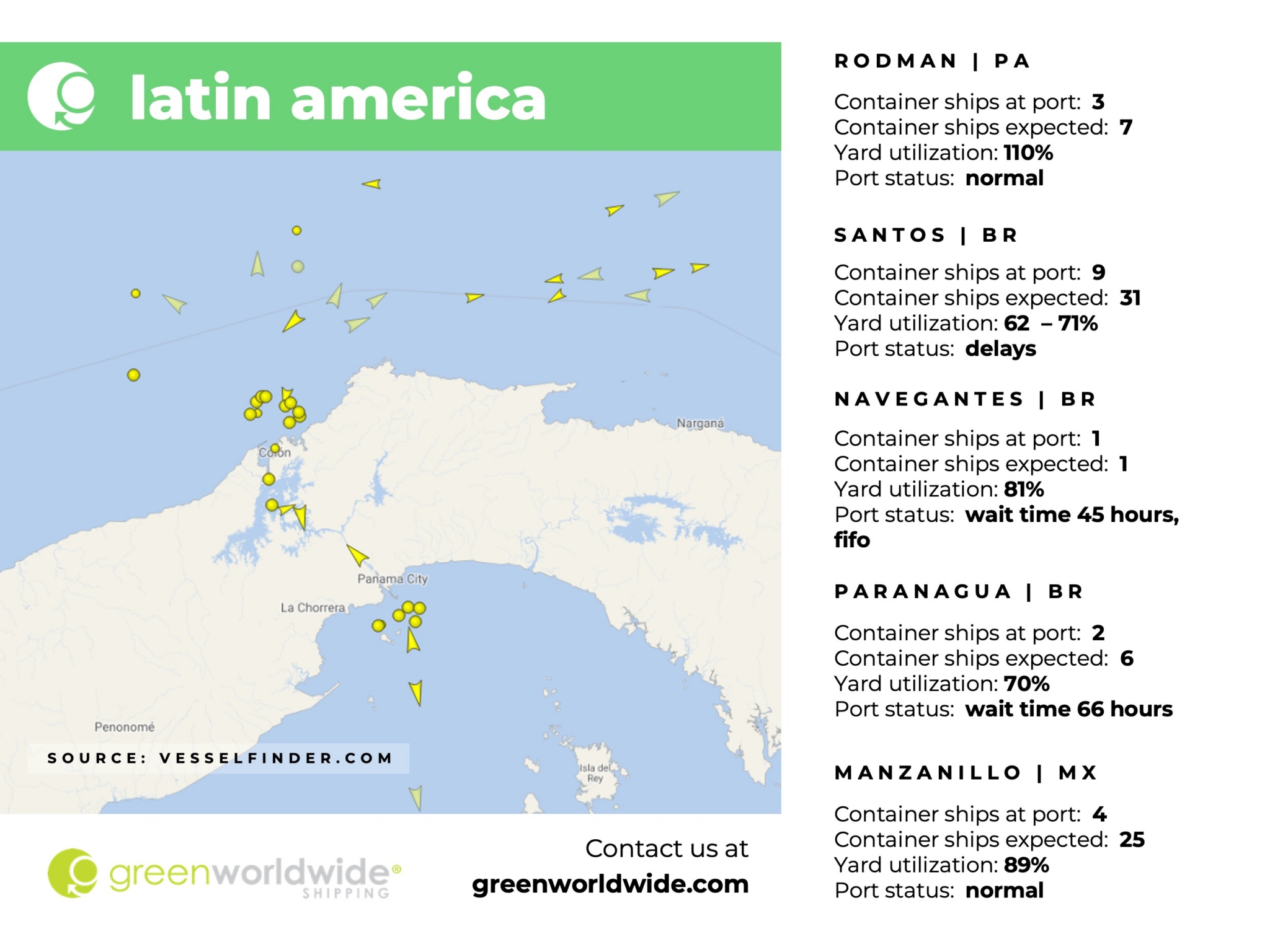
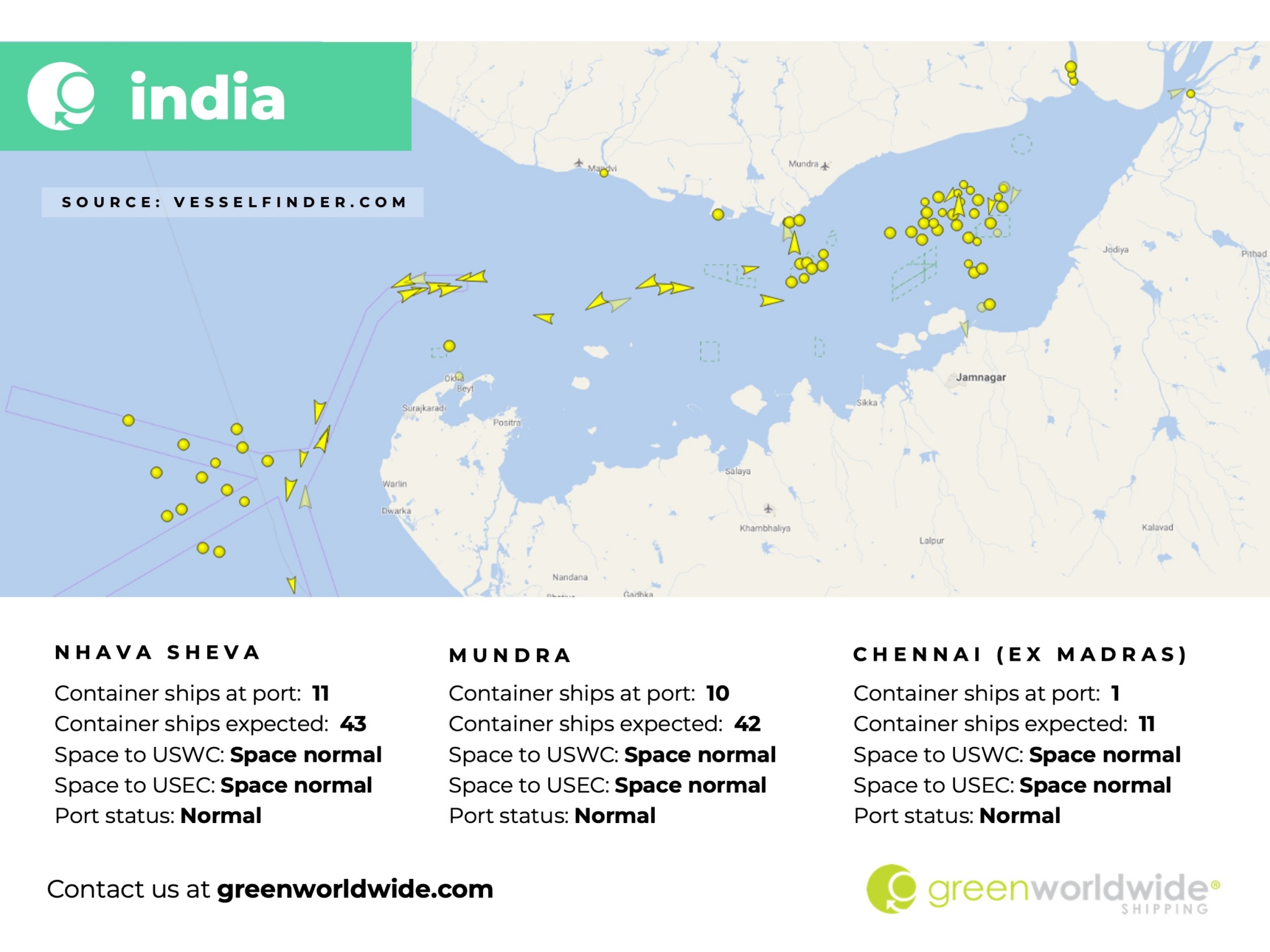
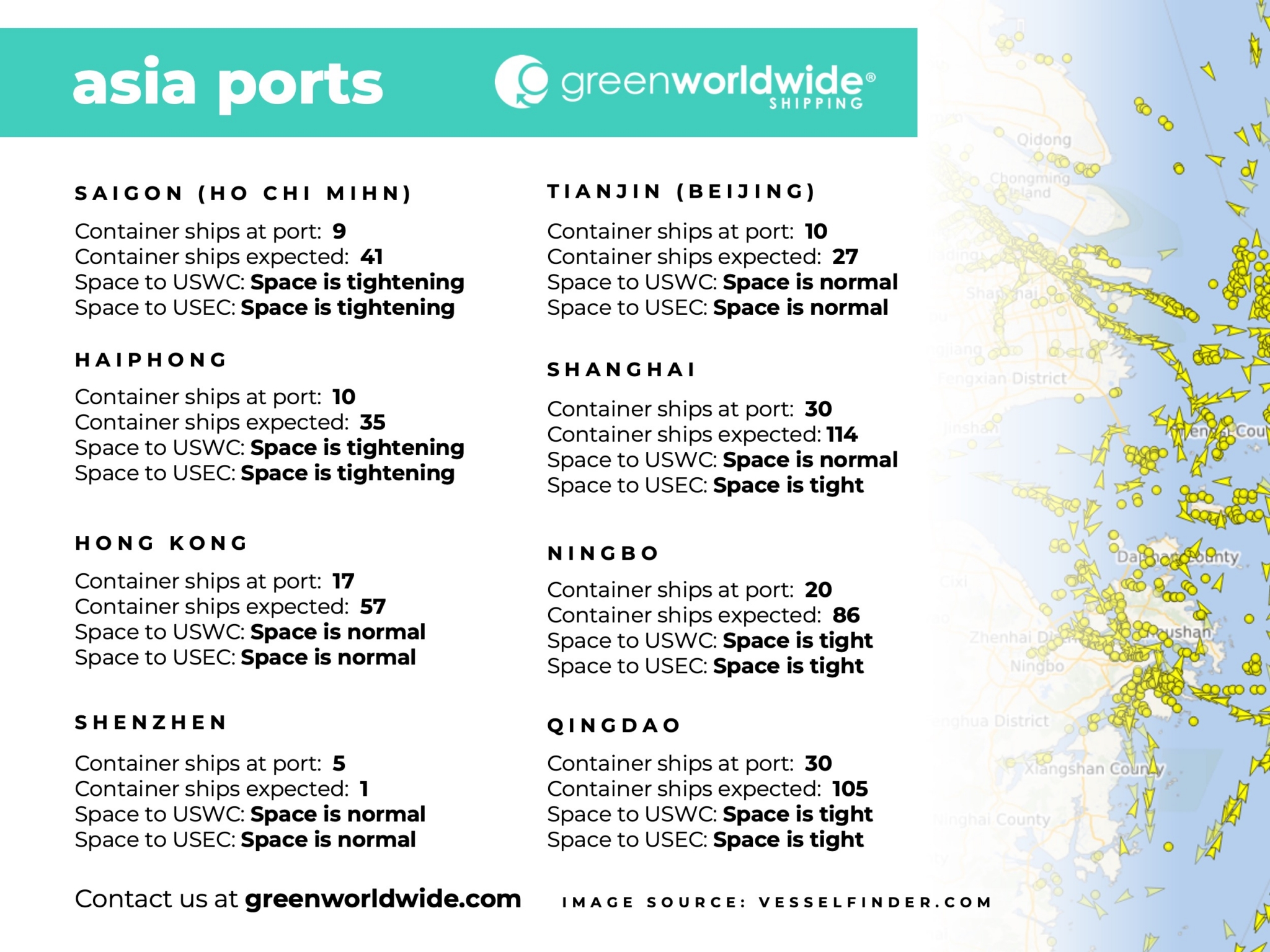
Stay up-to-date on freight news with Green’s Weekly Freight Market Update by following us on LinkedIn. For continuous updates, make sure to check out our website at greenworldwide.com.