Global freight conditions in Week 13 remained stable across key trade lanes, with targeted capacity pressure emerging in parts of Asia and increased volatility tied to fuel markets. Ocean capacity remained balanced overall, while air cargo conditions were influenced by fuel-driven adjustments and network changes linked to Middle East developments. Regulatory activity in the United States also introduced additional considerations for importers related to tariff refunds, compliance expectations, and surcharge governance.
TRANS-PACIFIC CAPACITY REMAINS STABLE WITH LOCALIZED TIGHTENING IN NORTH CHINA AND VIETNAM
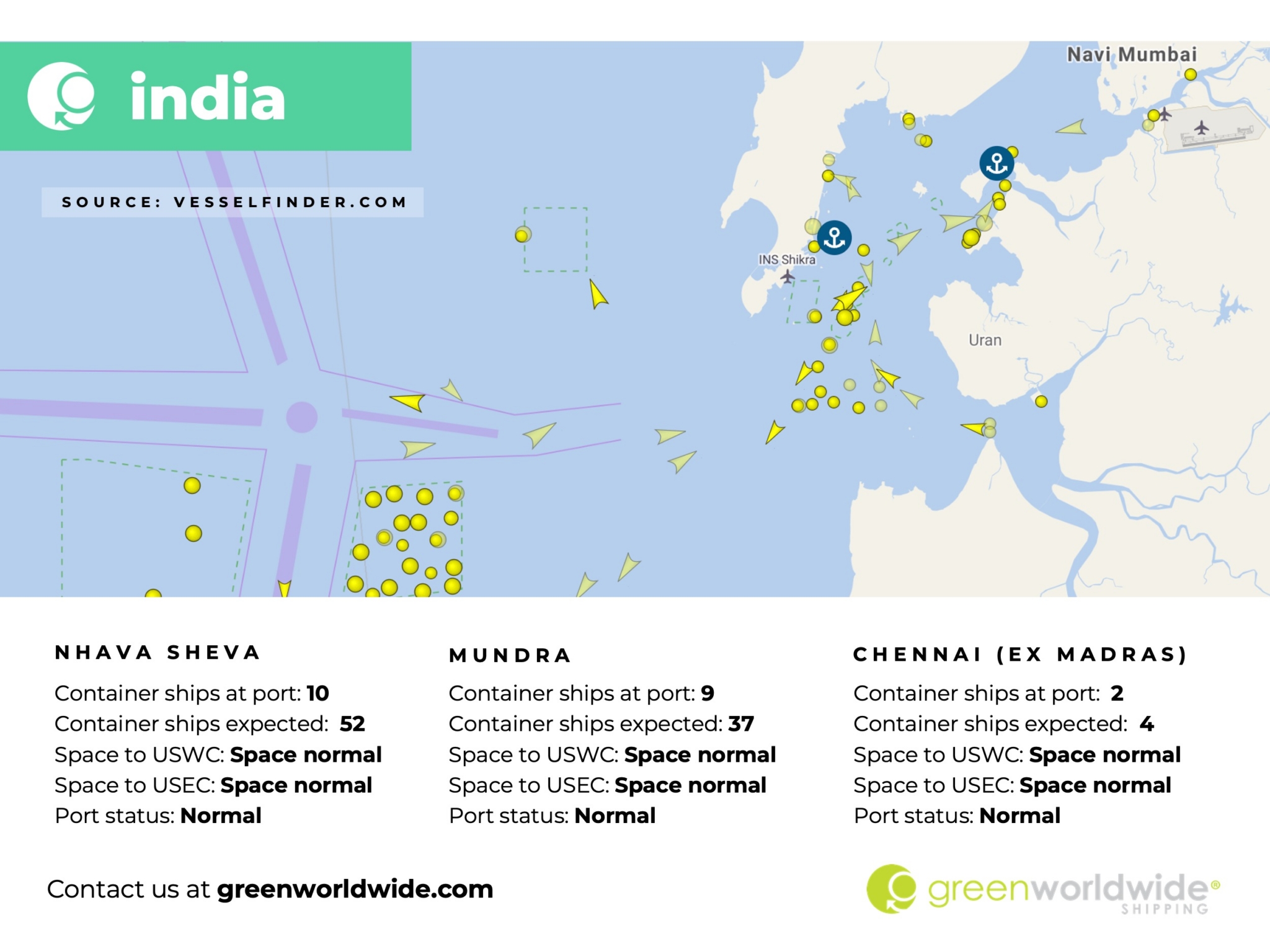
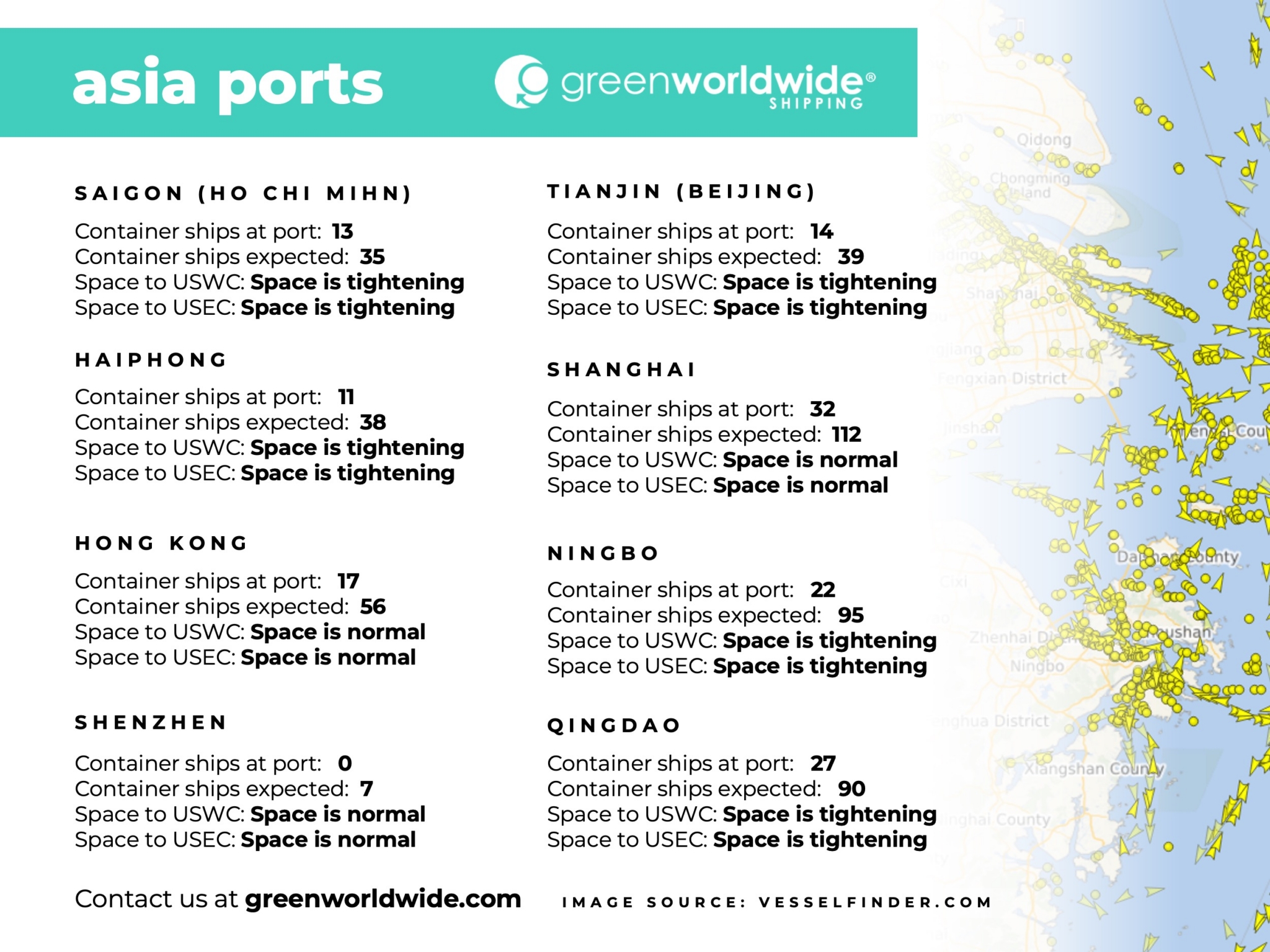
Trans-Pacific ocean capacity remained stable across most Asia origins during Week 13, with consistent vessel availability into both U.S. coasts from Shanghai, Shenzhen, Hong Kong, and Tianjin. Qingdao and Ningbo showed tightening conditions, with reduced flexibility and increased rollover exposure on select sailings. Vietnam origins, including Ho Chi Minh City and Haiphong, also experienced tightening as carrier allocations remained controlled against steady demand. These developments indicate early-stage pressure rather than widespread constraints across the trade lane.
AIR CARGO CAPACITY ADJUSTS TO FUEL CONDITIONS AND MIDDLE EAST NETWORK DISRUPTIONS
Air cargo conditions between China and the United States were shaped by fuel volatility and operational changes during Week 13. Aviation fuel dynamics influenced carrier surcharge adjustments and capacity planning, while network disruptions linked to Middle East developments resulted in selective flight suspensions and routing changes. These factors reduced available capacity on certain lanes and contributed to a more controlled air cargo environment.
U.S. REGULATORY DEVELOPMENTS EXPAND TARIFF REFUND SCOPE AND COMPLIANCE EXPECTATIONS
The U.S. Court of International Trade expanded the scope of the IEEPA tariff refund order to include imports from Brazil and India while maintaining the current pause on implementation. U.S. Customs and Border Protection continued advancing its automated refund system, with development progress moving into testing and validation phases. CBP also clarified the regulatory boundaries for digital platforms supporting imports, reinforcing that activities tied to entry preparation and classification remain within the scope of licensed Customs brokerage. The Federal Maritime Commission also reinforced surcharge governance requirements by maintaining the standard notice period for implementation. Requests to accelerate conflict-related surcharges were not approved.

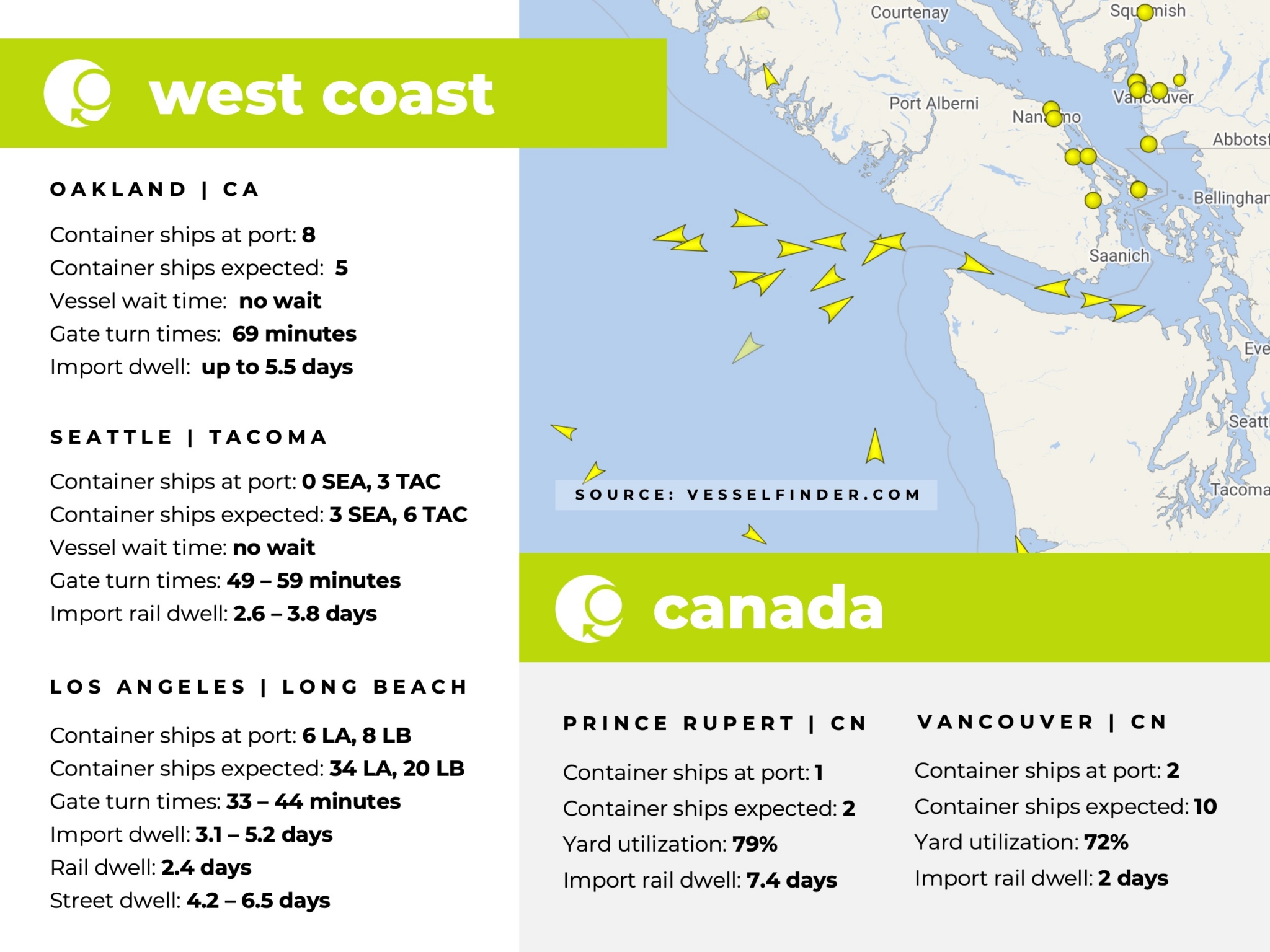
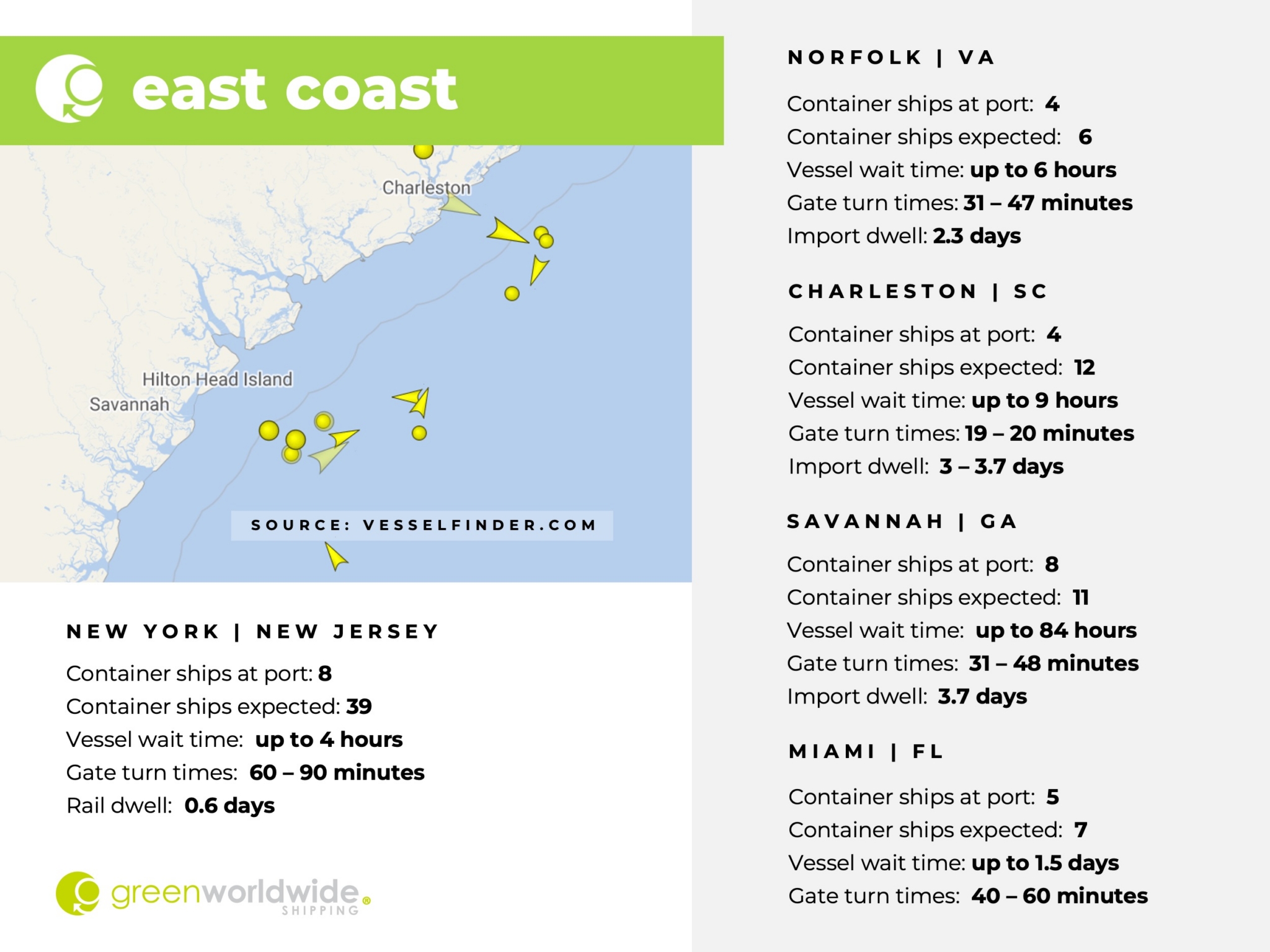
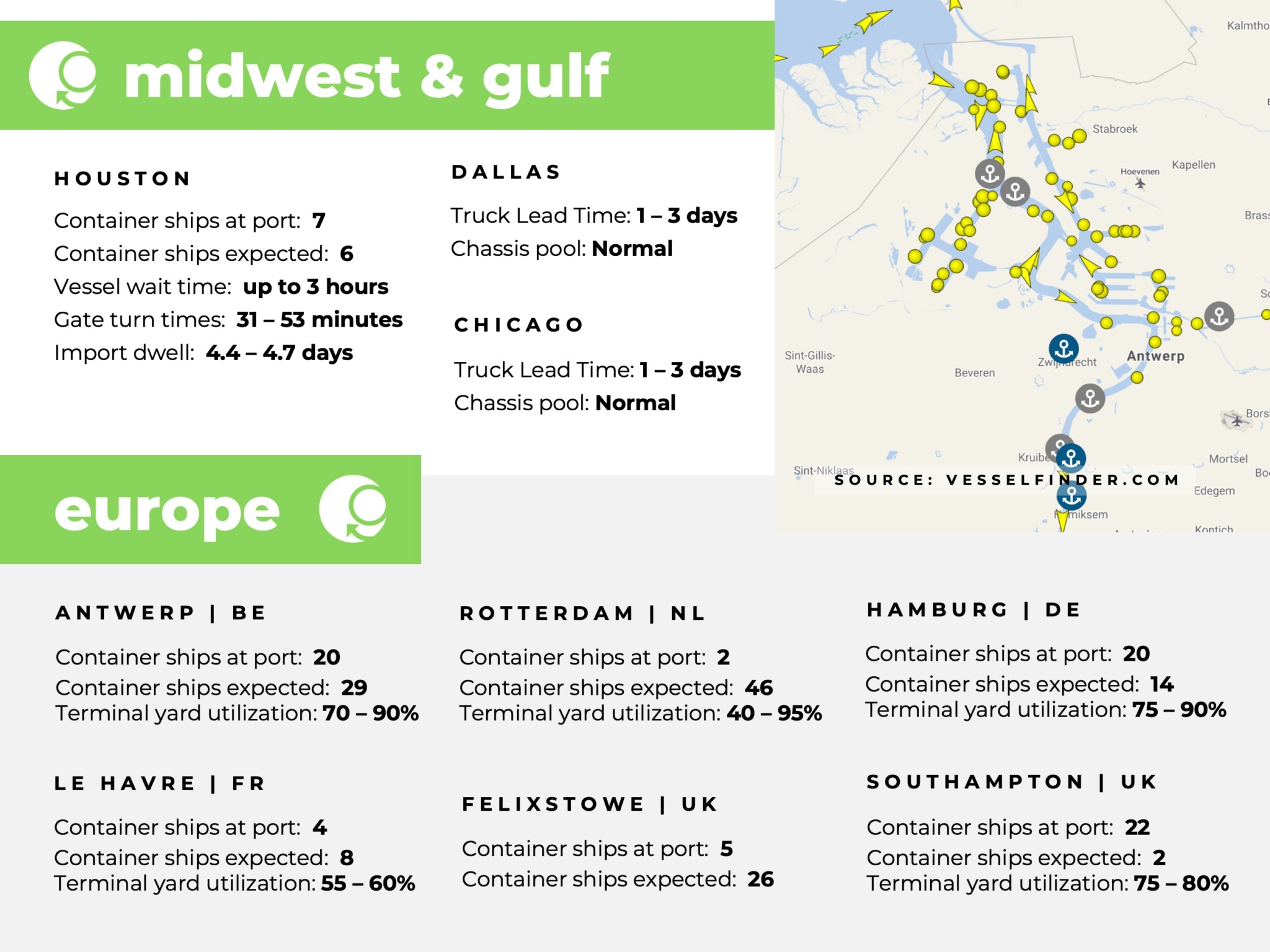
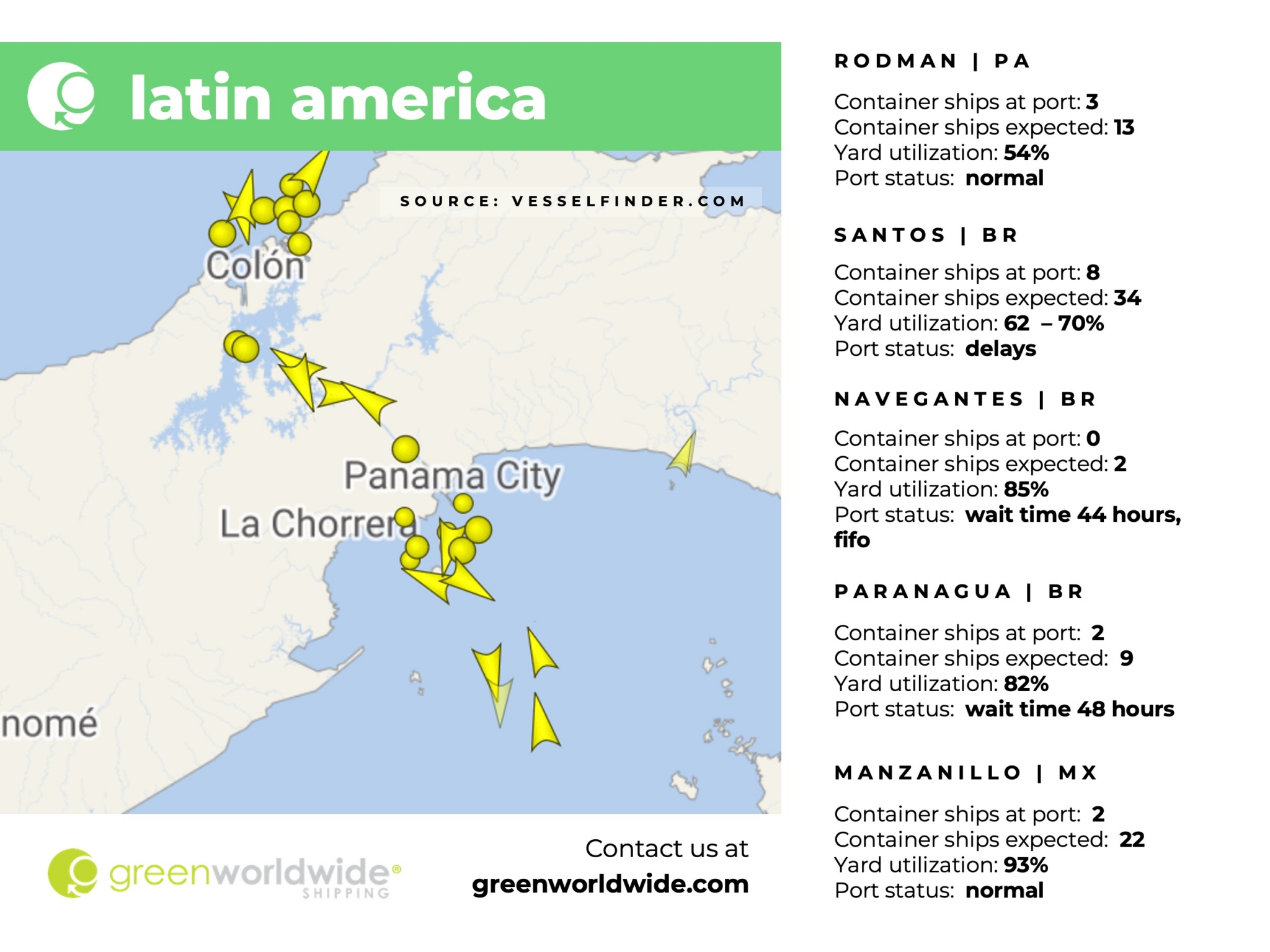
Stay up-to-date on freight news with Green’s Weekly Freight Market Update by following us on LinkedIn. For continuous updates, make sure to check out our website at greenworldwide.com.