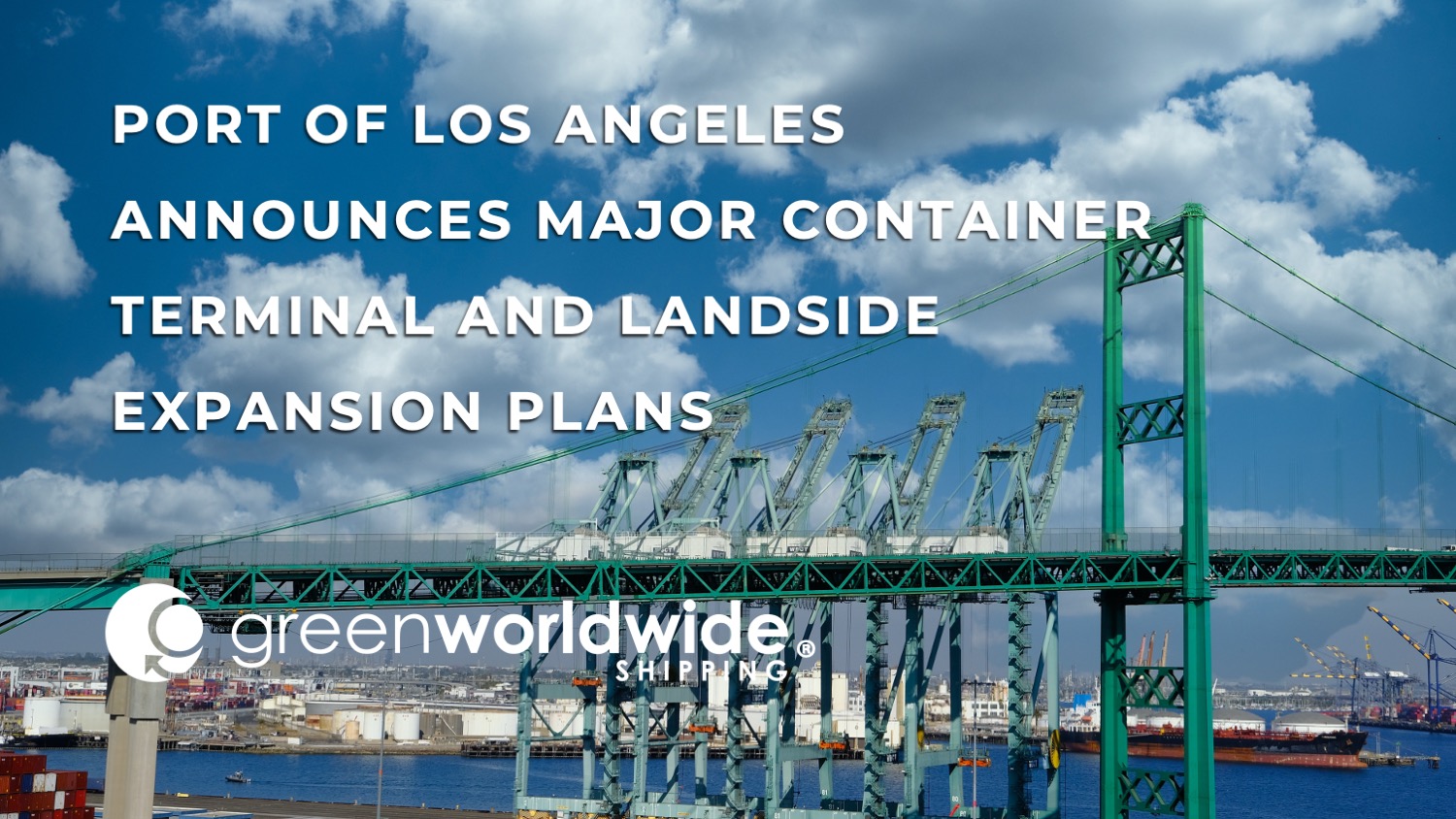
WATCH THE FULL ADDRESS HERE: 2026 STATE OF THE PORT OF LOS ANGELES
WHY IS THE PIER 500 CONTAINER TERMINAL CENTRAL TO THE PORT OF LOS ANGELES EXPANSION STRATEGY?
“We envision a bold expansion. 200 acres, 3,000 linear feet of wharf space to create vital new capacity. In October, we released a request for proposals to evaluate the interest in feasibility. The beauty of this project, much of the underwater foundation is already complete, thanks to the foresight of port staff more than two decades ago. They saw what we would need and they built for it. Now, with cargo demand expected to grow in the decades ahead, we have a readymade opportunity right in front of us. And we’re aiming high. We want this to be the greenest, cleanest new build terminal in the world. This would expand our capacity to handle next generation cargo ships, improve both efficiency and sustainability.”
Gene Seroka | Port of Los Angeles Executive Director
WHAT TERMINAL ISLAND AND PIER 300 PROJECTS ARE PLANNED TO IMPROVE CARGO MOVEMENT?
In addition to Pier 500, the port outlined several projects aimed at improving cargo velocity within the existing terminal footprint. On Terminal Island, the port is advancing plans for an 80-acre Maritime Support Facility designed to centralize chassis parking, maintenance, and container pickup and drop-off activity. The facility is intended to reduce congestion inside terminal yards during peak cargo periods.
At Pier 300, the port confirmed that on-dock rail expansion is already underway and that final discussions are in progress to develop 40 acres of currently vacant land at Fenix Marine Terminal. The port indicated that this expansion would add berth and backlands capacity and materially improve terminal efficiency once completed.
Separately, the port expects to issue an environmental impact report for proposed wharf and rail upgrades at the LA TIL Container Terminal in the West Basin, supporting accommodation of larger vessels.
HOW ARE LANDSIDE ACCESS AND INFRASTRUCTURE CONSTRAINTS ADDRESSED IN THE PORT OF LOS ANGELES’ EXPANSION PLANNING?
WHAT DOES THIS MEAN FOR IMPORTER PLANNING AT THE PORT OF LOS ANGELES?
The 2026 State of the Port address did not announce immediate operational changes. Instead, it presented a multi-year infrastructure roadmap that outlines how the port intends to sequence capacity expansion, terminal upgrades, and landside support projects over time.
For importers, the practical relevance lies in understanding the order, scale, and dependency of these initiatives, particularly where new terminal capacity, chassis management, rail access, and navigational constraints intersect. While timelines and execution details remain subject to regulatory review, funding availability, and market response, the projects described establish a clearer framework for how future container volumes may be handled at Los Angeles.
Stay up-to-date on freight news with Green’s Weekly Freight Market Update by following us on LinkedIn. For continuous updates, make sure to check out our website at greenworldwide.com.