Global freight conditions in Week 16 reflect a market contending with fuel supply disruptions, mixed trans-Pacific capacity, and ongoing regulatory changes. Tightening conditions persist in inland China and select Vietnam ports while fuel surcharge governance has emerged as a pressing industry concern. Recent White House and U.S. Customs and Border Protection actions have introduced additional compliance considerations for importers.
WHERE IS TRANS-PACIFIC OCEAN CAPACITY TIGHTENING IN WEEK 16?
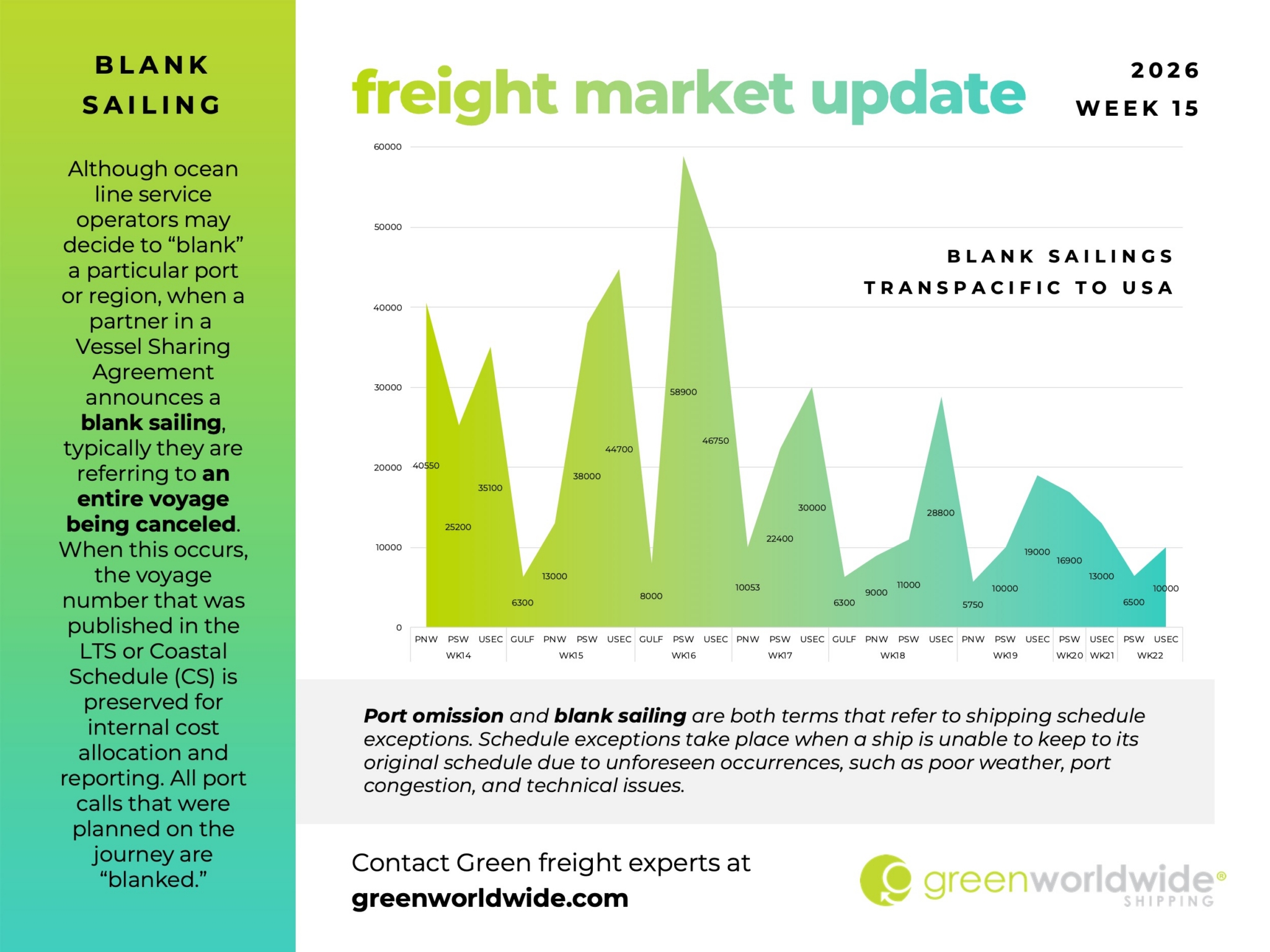
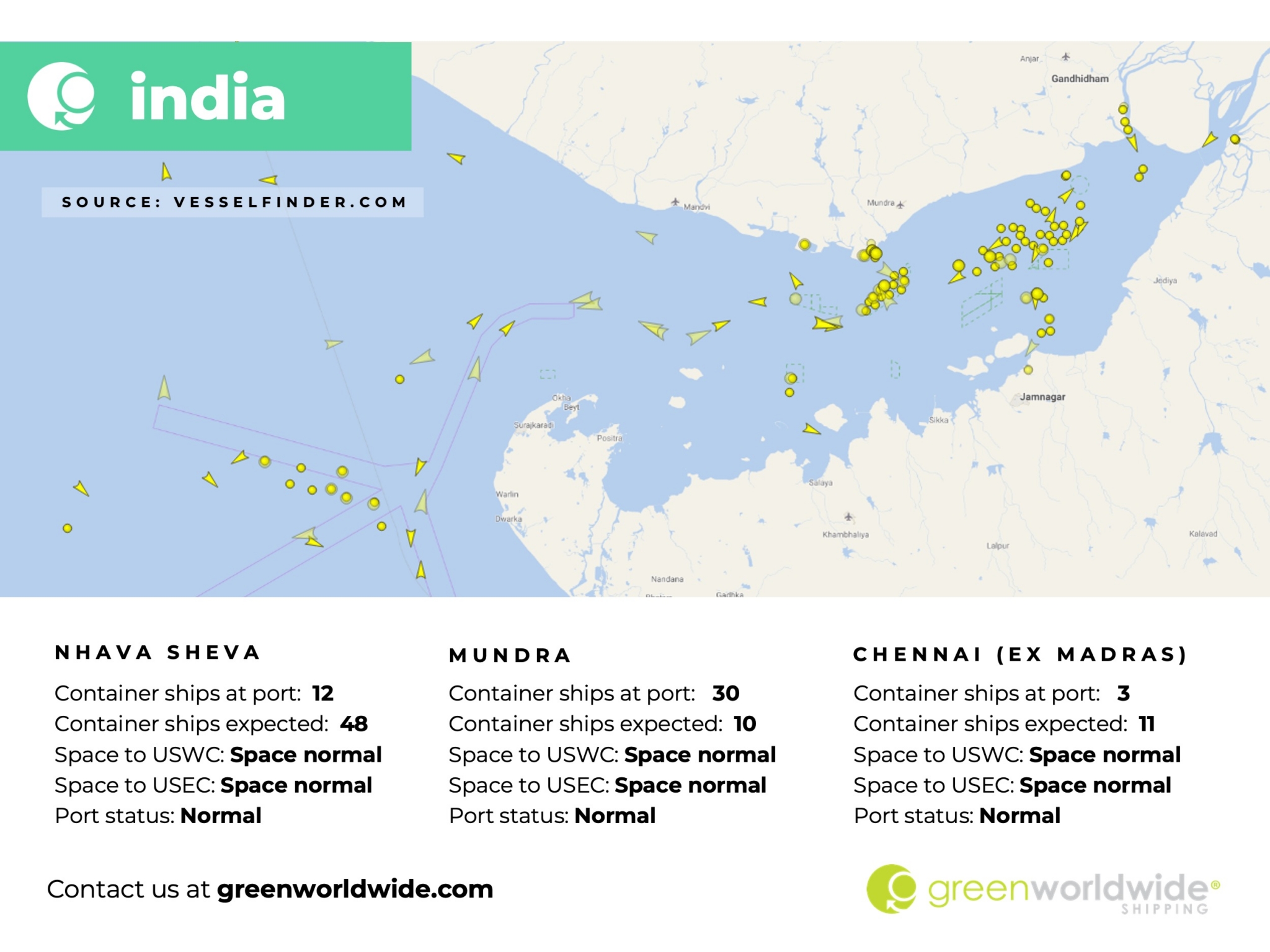
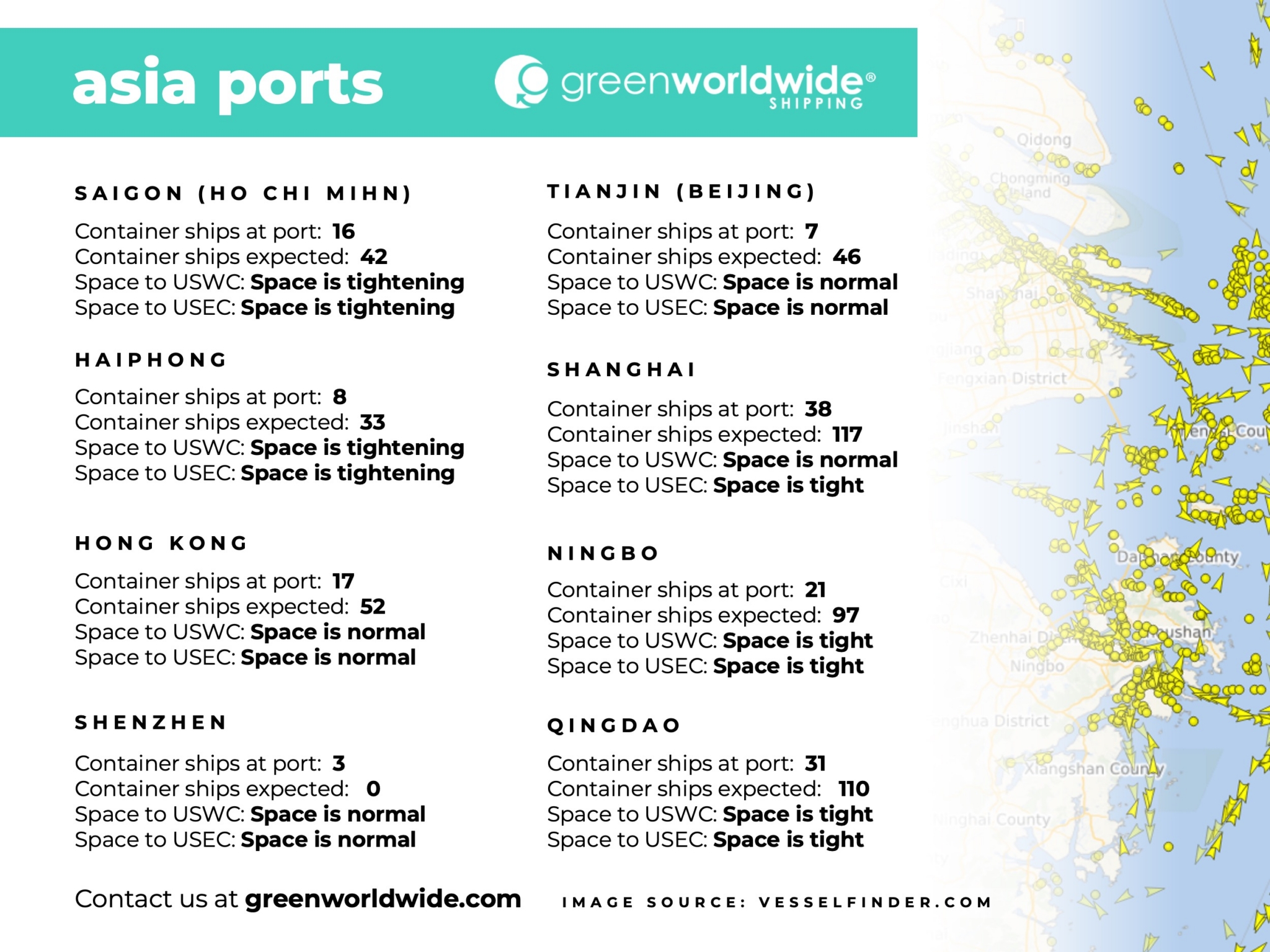
Trans-Pacific ocean capacity remained stable across most major China origins in Week 16, with tightening concentrated in inland origins and North China ports. Vietnam origins experienced continued pressure as carrier allocations remained controlled against steady export demand. India origins presented a stable picture into both U.S. coasts with no significant disruptions noted.
WHY ARE FUEL SURCHARGES BECOMING A MAJOR CONCERN FOR TRANS-PACIFIC SHIPPERS?
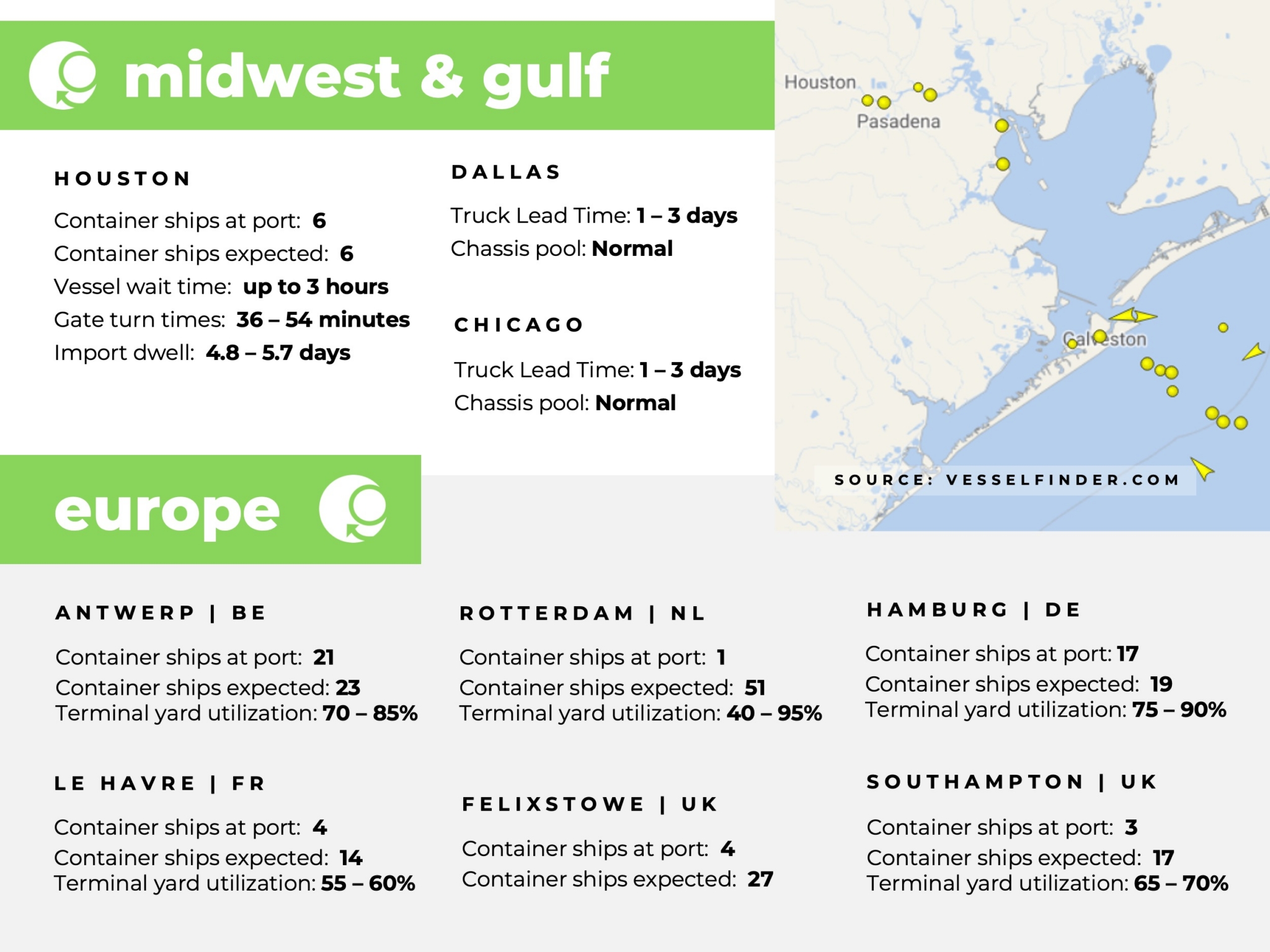
Fuel surcharge governance has displaced trade policy as the most immediate pressure point in trans-Pacific discussions. A six-week closure of the Strait of Hormuz tightened global bunker fuel supply and pushed prices higher, placing growing inventory pressure on major bunkering hubs in the region. Carrier requests to waive the standard notice period for Emergency Fuel Surcharge implementation were rejected by the Federal Maritime Commission, with Chinese regulatory authorities taking a similar position.
HOW DO RECENT WHITE HOUSE TRADE ACTIONS AFFECT IMPORT COMPLIANCE?
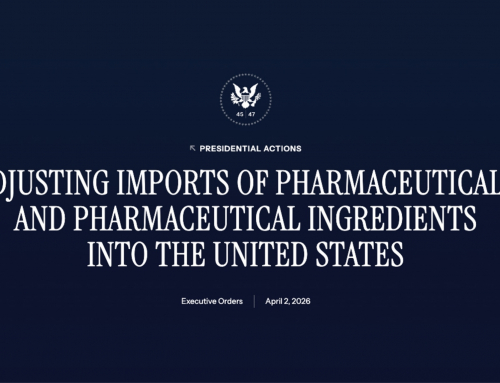
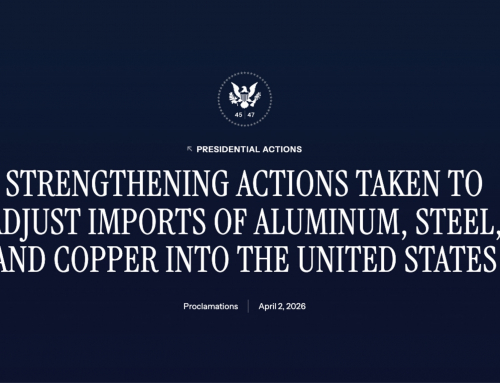
The White House issued proclamations modifying Section 232 tariff measures on steel, aluminum, and copper effective April 6, 2026, shifting duty assessment to full customs value rather than metal content value alone, with a tiered duty structure applied across covered products and derivatives. A separate proclamation established a new tariff framework for patented pharmaceuticals and associated active ingredients, with a tiered and conditional duty structure tied to patent status, country of origin, and participation in onshoring and pricing agreements. Implementation is phased beginning in late July 2026. Importers across both affected sectors should review classification and agreement eligibility to assess duty exposure under the updated frameworks.
WHAT DOES THE LATEST CAPE UPDATE MEAN FOR IEEPA TARIFF REFUND PROCESSING?
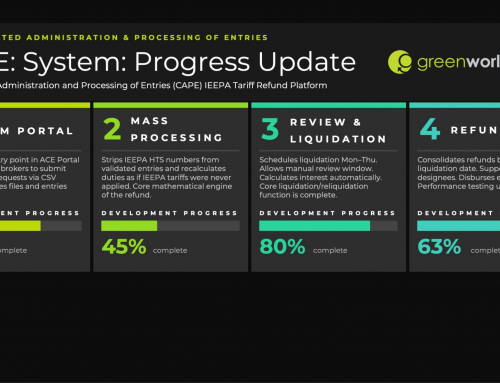
U.S. Customs and Border Protection provided updated detail on Phase 1 of the CAPE platform, which is being developed to process IEEPA tariff refunds. Phase 1 targets unliquidated entries and those within the 90-day voluntary reliquidation window, representing approximately 63% of eligible entries. Entries with suspended or extended liquidation status may also be submitted, though refunds in those cases will follow the normal liquidation process. Finally liquidated entries and entries under protest remain outside Phase 1 scope, with future phases expected to expand processing to more complex entry types.
Stay up-to-date on freight news with Green’s Weekly Freight Market Update by following us on LinkedIn. For continuous updates, make sure to check out our website at greenworldwide.com.