

Trans-Pacific capacity conditions remained tight during Week 22 as importers accelerated cargo movement ahead of expected fuel surcharge adjustments and earlier retail inventory deadlines. Analysts report that short-term front-loading activity, elevated bunker fuel costs, and ongoing Middle East-related operational disruption continue tightening effective vessel capacity across Asia-U.S. trade lanes. Several carriers also introduced additional loader vessels to support increasing June demand.
PRELIMINARY U.S.-CHINA TRADE TALKS INTRODUCE ADDITIONAL MARKET VARIABLES
The White House and Chinese officials released preliminary bilateral trade outcomes following recent economic and trade consultations in Seoul and a heads-of-state meeting in Beijing. The discussions addressed tariff arrangements, agricultural trade, rare earth export controls, and extension of the October 2025 Kuala Lumpur Joint Arrangement. Analysts note that while no immediate operational changes were announced for most importers, the talks introduced additional considerations for long-term sourcing, compliance planning, and tariff exposure management. The current Kuala Lumpur arrangement remains in effect through November 10, 2026, while both governments continue negotiations regarding a potential extension and broader reciprocal tariff reduction framework.
RETAIL REPLENISHMENT ACTIVITY CONTINUES PRESSURING JUNE BOOKINGS
Retail inventory replenishment activity continues driving elevated booking demand across the Trans-Pacific market following the earlier timing of major summer e-commerce promotions. Analysts report that the traditional July replenishment cycle shifted several weeks earlier this year, compressing cargo movement into a shorter operational window between mid-May and late June. This accelerated shipping cycle contributed to rapidly tightening vessel allocation conditions and increased competition for available space across both U.S. West Coast and U.S. East Coast services. Industry experts expect booking pressure to remain elevated through the first half of June before conditions potentially soften later in the month.
ASIA EXPORT CAPACITY REMAINS CONSTRAINED
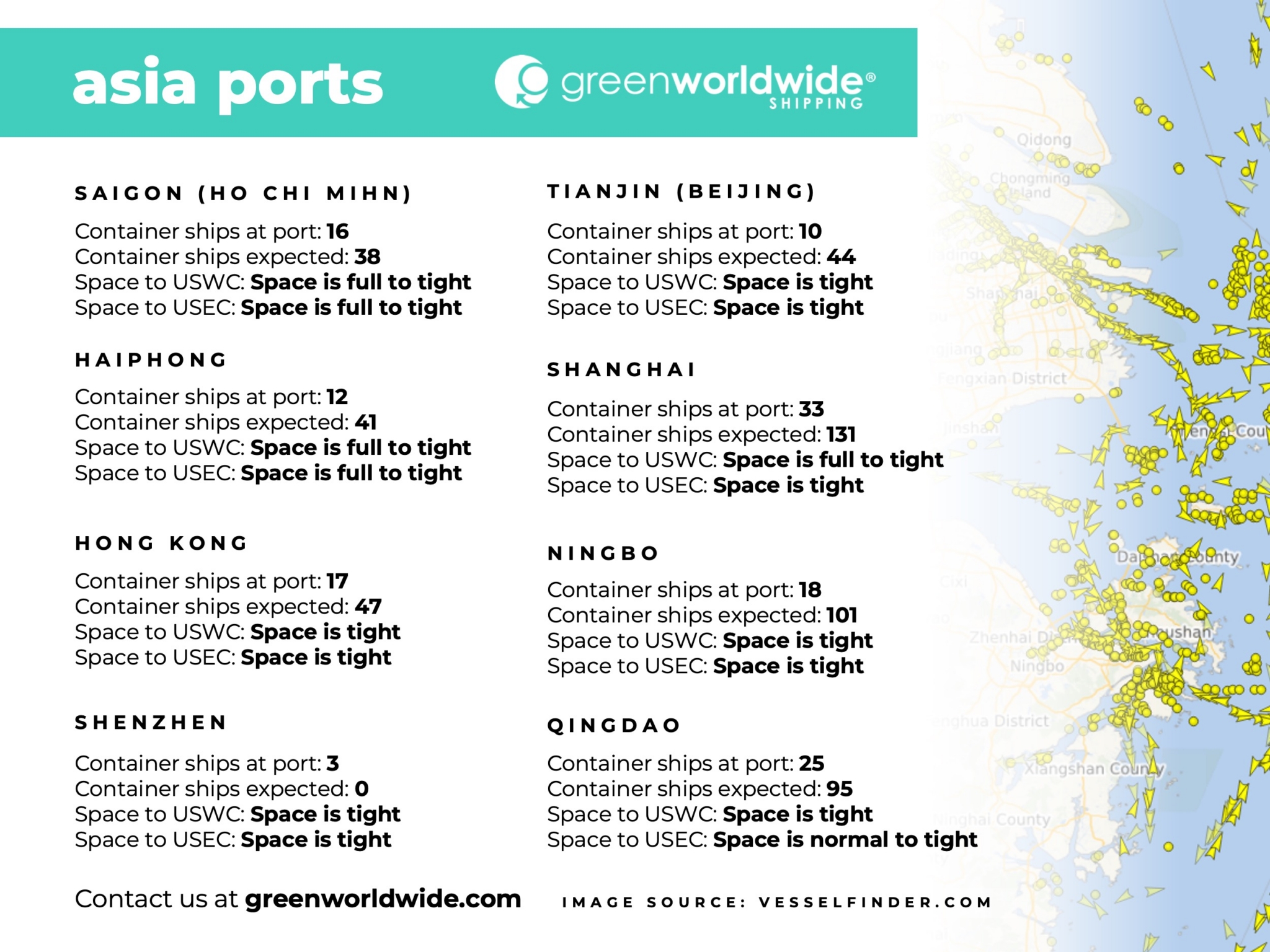
Capacity conditions across Asia remain tight overall, with several export gateways now operating under effectively full conditions on select services. Vietnam export gateways continue experiencing the most constrained conditions, particularly for U.S.-bound cargo. Shanghai and Ningbo also remain under pressure due to front-loaded demand, rolling cargo, and vessel allocation limitations. South China export services continue seeing tight conditions across both U.S. coasts, while North China operations remain impacted by feeder delays and blank sailings affecting schedule reliability.
INDIA-U.S. SERVICES REMAIN RELATIVELY STABLE
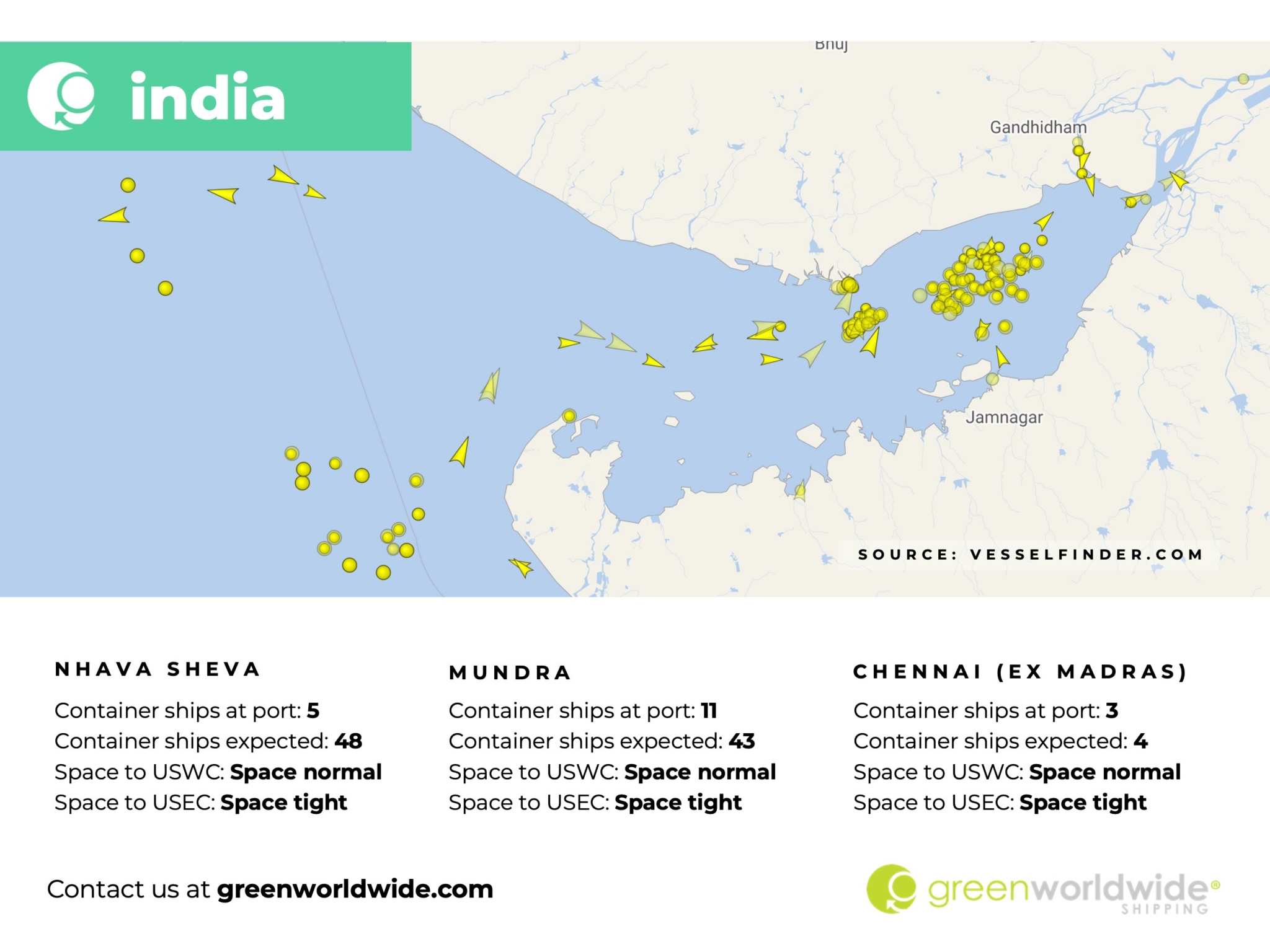
India-U.S. trade lanes remain comparatively stable overall despite moderate tightening on U.S. East Coast services. Analysts report that U.S. West Coast capacity remains generally balanced, although direct services continue experiencing more limited allocation availability compared to indirect routings. Blank sailings during Weeks 23 and 25 continue contributing to tighter U.S. East Coast planning conditions as cargo shifts to alternate sailings and services. Equipment availability across major India export gateways remains stable overall, with only localized container imbalances reported at select inland container depots.
CARRIERS INTRODUCE EXTRA LOADERS AS DEMAND INCREASES
Carriers continue deploying supplemental loader vessels in response to increasing Trans-Pacific demand during the early peak season period. Industry experts note that while overall market capacity remains available globally, operational flexibility remains limited because vessel schedules and slot allocations are established well in advance. Additional loader deployments from Vietnam, China, and Korea are expected through June as carriers attempt to stabilize vessel utilization and maintain schedule integrity. Despite these efforts, booking lead times remain extended on several trade lanes as carriers continue managing elevated allocation demand.
MARKET CONDITIONS MAY BEGIN MODERATING LATER IN JUNE
Industry analysts expect current capacity pressure to continue through early June as inventory replenishment activity approaches peak seasonal deadlines. Some gradual easing may emerge later in June as replenishment demand softens and a portion of urgent cargo shifts toward expedited airfreight solutions. However, experts caution that any operational normalization is expected to occur gradually over several weeks rather than through an immediate market correction. Importers continue monitoring booking timelines closely as carriers manage vessel allocation, blank sailings, and fuel-related operational adjustments across the Trans-Pacific market.

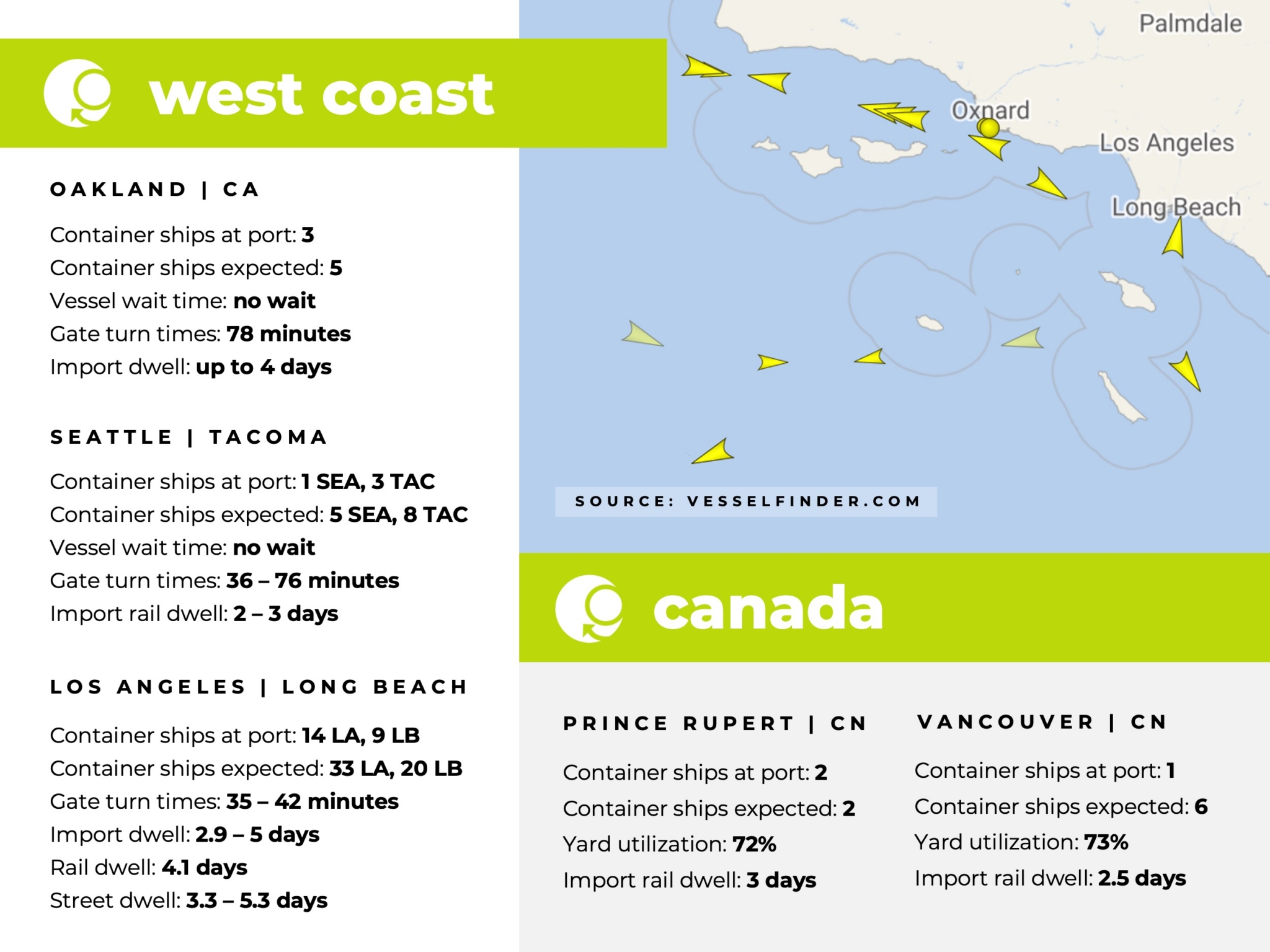
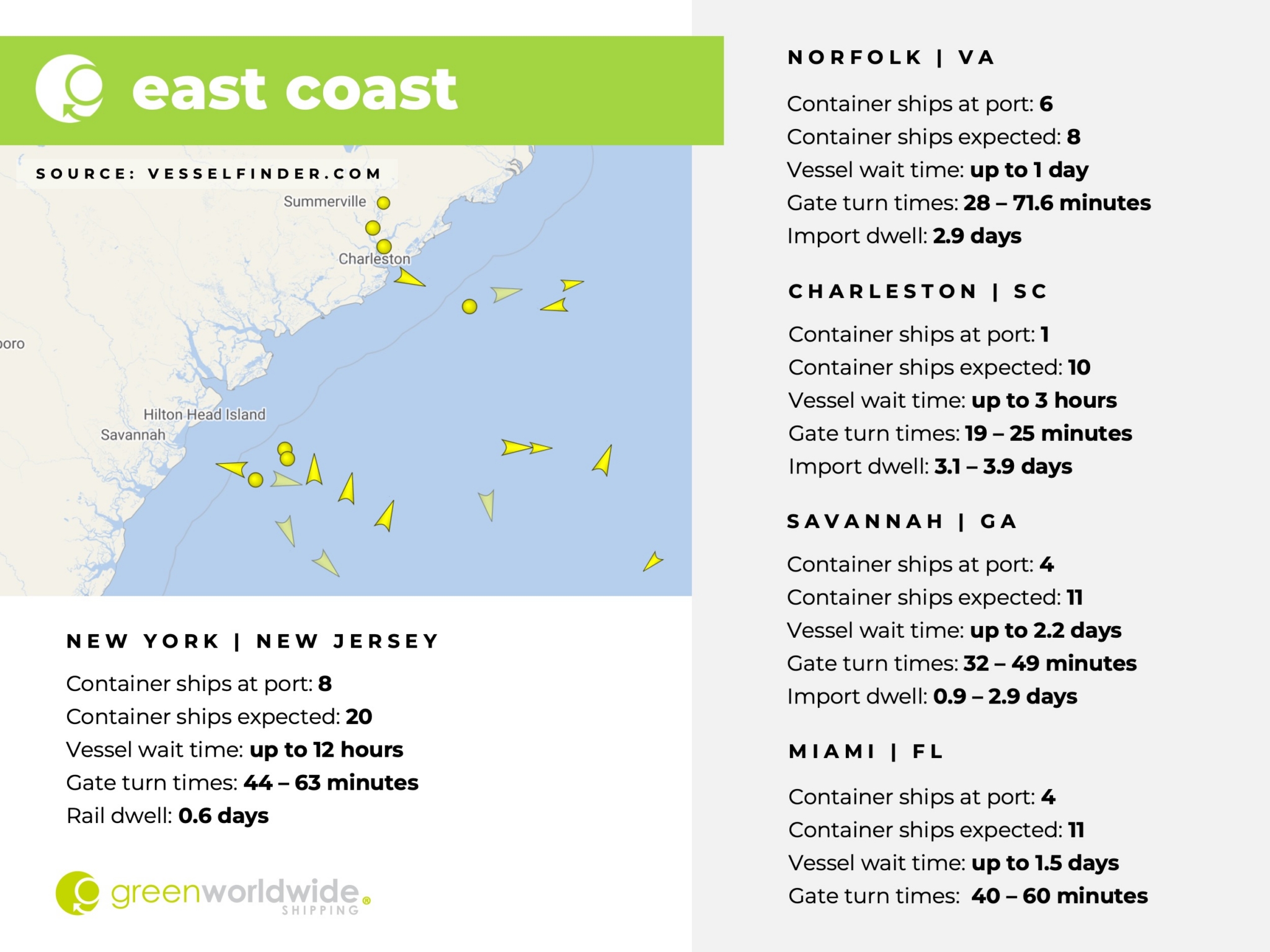
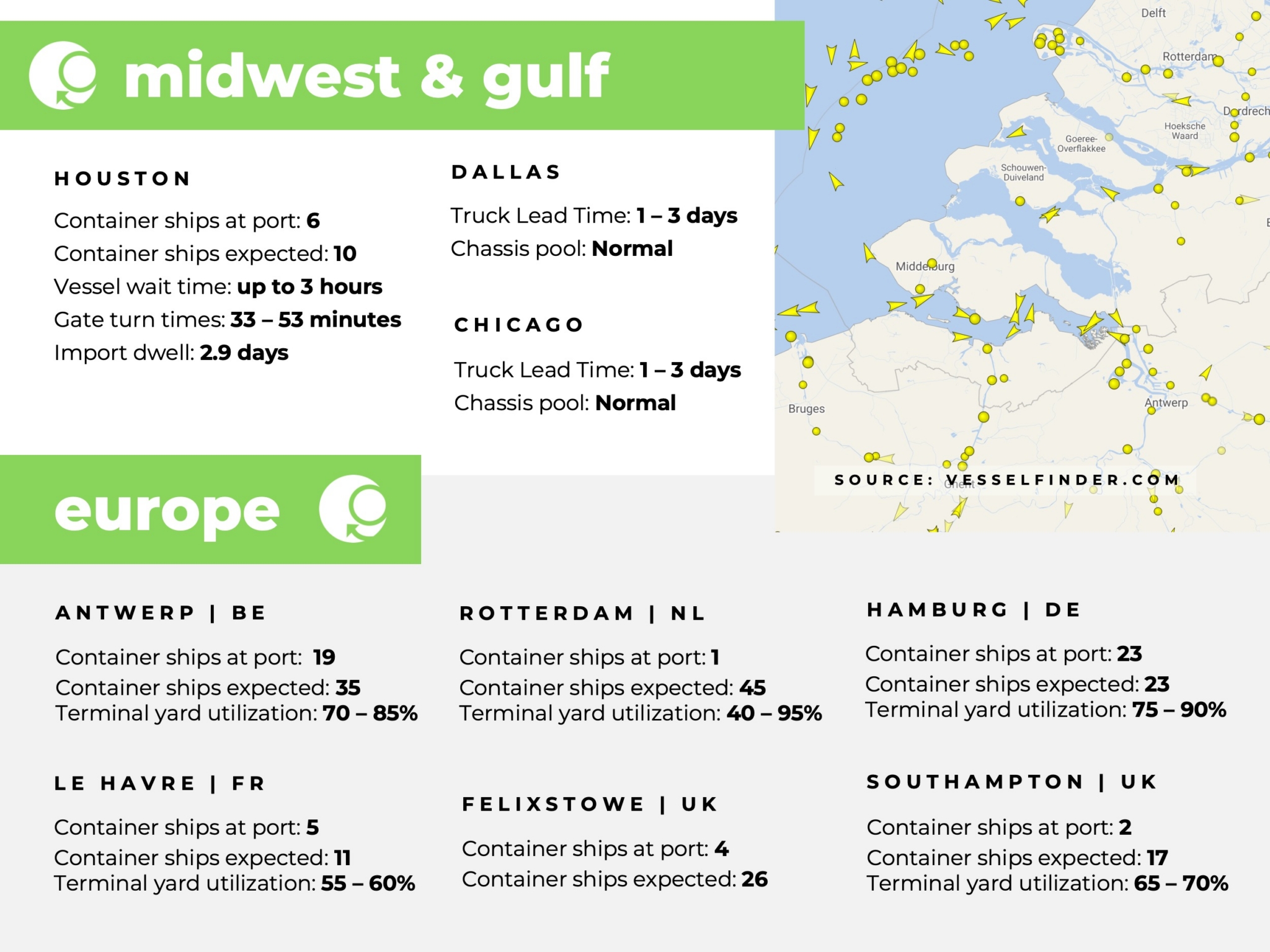
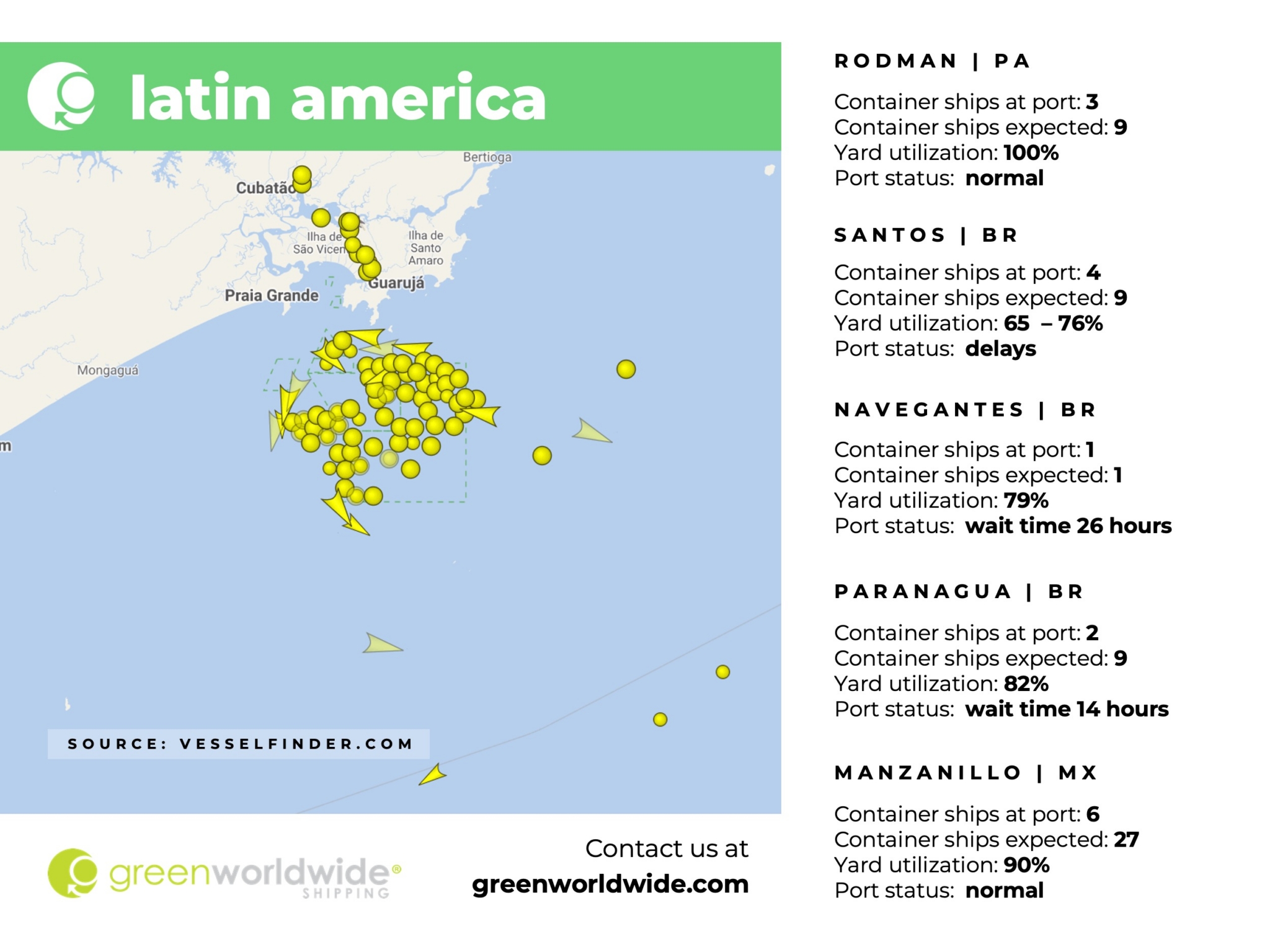
Stay up-to-date on freight news with Green’s Weekly Freight Market Update by following us on LinkedIn. For continuous updates, make sure to check out our website at greenworldwide.com.