

Global freight markets are moving through August with continued volatility across ocean, air, and customs operations. Trans-Pacific container rates have stabilized after three consecutive weeks of declines, while carriers continue managing capacity as the earlier tariff driven peak season fades. At the same time, escalating security concerns across the Red Sea, Bab el-Mandeb Strait, and Strait of Hormuz are adding renewed risk to vessel routing, fuel costs, insurance availability, and transit planning.
MARKET SUMMARY OVERVIEW
Drewry's World Container Index increased 1% to $4,297 per 40-foot container during the week of August 6, ending three consecutive weeks of decline. The rebound was supported primarily by stronger Trans-Pacific and Transatlantic pricing, even as Asia-Europe markets remained softer. Carriers continue using selective capacity reductions to balance weaker forward demand and support pricing as the early peak season winds down.
For shippers, the market remains mixed. Ocean pricing is no longer climbing at the pace seen earlier this summer, but continued geopolitical disruption and fuel related surcharges make a rapid return to normal pricing unlikely.
RED SEA AND HORMUZ DISRUPTION INTENSIFIES
Security risks across the Middle East escalated again this week. A fatal attack on a cargo vessel near the Bab el-Mandeb Strait on August 11 marked a significant deterioration in Red Sea conditions, while vessel traffic through the Strait of Hormuz has fallen sharply from pre-conflict levels. Reuters reported only six vessels transited Hormuz on August 10, compared with roughly 130 to 140 ships per day before the conflict.
The renewed disruption comes after carriers had begun cautiously restoring limited Suez routings earlier this summer. With both Bab el-Mandeb and Hormuz facing elevated security concerns, carriers may continue diverting vessels, adjusting schedules, and reassessing insurance coverage.
Shippers moving cargo through the Middle East should verify routing at booking, allow additional transit flexibility, and monitor carrier contingency notices closely. Fuel and insurance costs may remain elevated even where scheduled services continue operating.
TRANS-PACIFIC RATES STABILIZE AFTER THREE-WEEK DECLINE
Ocean spot pricing regained some momentum in early August after several weeks of easing. Drewry's World Container Index rose 1% during the week of August 6, driven in part by stronger Trans-Pacific rates. This follows three consecutive weeks of decline as tariff driven front loading slowed and additional capacity entered the market.
The current stabilization suggests carriers may be gaining some pricing support from capacity management rather than renewed demand. Importers should continue monitoring rate validity periods, peak season surcharges, and blank sailing announcements before delaying bookings in anticipation of significantly lower pricing.
EARLY U.S. IMPORT PEAK CONTINUES TO WIND DOWN
The earlier-than-normal U.S. import surge is beginning to ease as cargo moved ahead of tariff changes and Middle East related fuel surcharges reaches destination markets.
The National Retail Federation and Hackett Associates now project 2.22 million TEUs of U.S. imports for August, down 4.2% year over year. Imports are expected to decline gradually through most of the remainder of 2026, reflecting a peak season that was pulled forward into late spring and early summer.
For shippers, this means elevated port throughput does not necessarily reflect equally strong forward booking demand. Inland networks may still experience pressure from cargo already in transit even as new ocean bookings begin to normalize.
CARRIERS CONTINUE USING CAPACITY DISCIPLINE
Carriers continue relying on blank sailings and other capacity adjustments to support pricing as demand softens. Drewry reported that freight rates regained momentum in early August as carriers maintained capacity discipline across key east-west trades.
The strategy is particularly important on Trans-Pacific services, where the end of tariff-driven front-loading has created a wider gap between available capacity and forward demand.
Shippers with firm delivery windows should continue reviewing sailing schedules closely and consider alternate departures when possible, particularly where canceled voyages could concentrate cargo on remaining services.
AIR CARGO DEMAND STRENGTHENS FURTHER
Global air cargo demand increased 8.5% year over year in June, accelerating from May and reflecting growth across all regions. North American carriers recorded the strongest regional performance, with demand increasing 13.1%, while Asia-Pacific demand rose 7.9%.
Capacity growth continued to trail demand across several markets, helping keep space firm for time sensitive and high value freight. Middle East disruption also remains a risk to available lift, fuel costs, and connections through major regional hubs.
Shippers should continue booking critical air freight early and confirm whether quoted rates include current fuel and security-related surcharges.
INTERMODAL GAINS AS TRUCKLOAD CAPACITY TIGHTENS
North American intermodal demand continues to strengthen as higher truckload costs and tightening carrier capacity encourage shippers to evaluate rail alternatives for longer-haul freight. C.H. Robinson's August market outlook notes continued growth in intermodal demand as the truckload market becomes less flexible.
The shift remains most relevant for freight with flexible transit requirements. Shippers should compare intermodal and truckload options by lane rather than assuming one mode will consistently provide the lowest cost or best service.
NEW PSC PAYMENT REQUIREMENTS NOW IN EFFECT
U.S. Customs and Border Protection implemented new processing requirements for Post Summary Corrections (PSCs) beginning August 5.
Filers must now electronically remit increases in duties, taxes, and fees resulting from a PSC through the Automated Clearinghouse (ACH). Check and cash payments are no longer accepted for these increases.
CBP also requires payment in full when additional duties, taxes, or fees are remitted with the PSC. Partial payments are not accepted, and filers choosing to wait for CBP billing at liquidation will not be able to submit subsequent PSCs until the prior amount is paid.
Importers and filers should confirm ACH enrollment and internal payment procedures to help avoid processing delays. The changes also permit certain PSCs to be filed outside the standard 300-day timeframe when liquidation remains suspended due to qualifying circumstances such as AD/CVD suspension, EAPA proceedings, or court injunctions.
SECTION 301 TARIFF CHALLENGES CONTINUE
The new Section 301 forced labor tariffs affecting imports from 60 economies remain in effect while legal challenges continue.
In addition to the initial business lawsuits filed in July, a coalition of 25 states filed a new challenge with the U.S. Court of International Trade on August 3. The litigation does not currently suspend duty collection, so importers must continue paying applicable tariffs unless merchandise qualifies for an exclusion or other exception.
Importers should continue confirming country of origin, classification, exclusion eligibility, and applicable Chapter 99 reporting requirements for covered entries.
CANADA SECTION 338 TARIFF DEADLINE APPROACHES
Importers should also prepare for the August 19 effective date of new Section 338 tariffs on certain Canadian-origin products.
The action imposes an additional 50% ad valorem duty on specified Canadian goods, including products within the automotive, alcoholic beverage, and dairy sectors. Importantly, qualifying for preferential treatment under USMCA does not automatically exempt covered merchandise from the Section 338 duty.
Importers with Canadian cargo scheduled to enter on or after August 19 should review product scope, entry timing, and potential duty exposure before arrival.
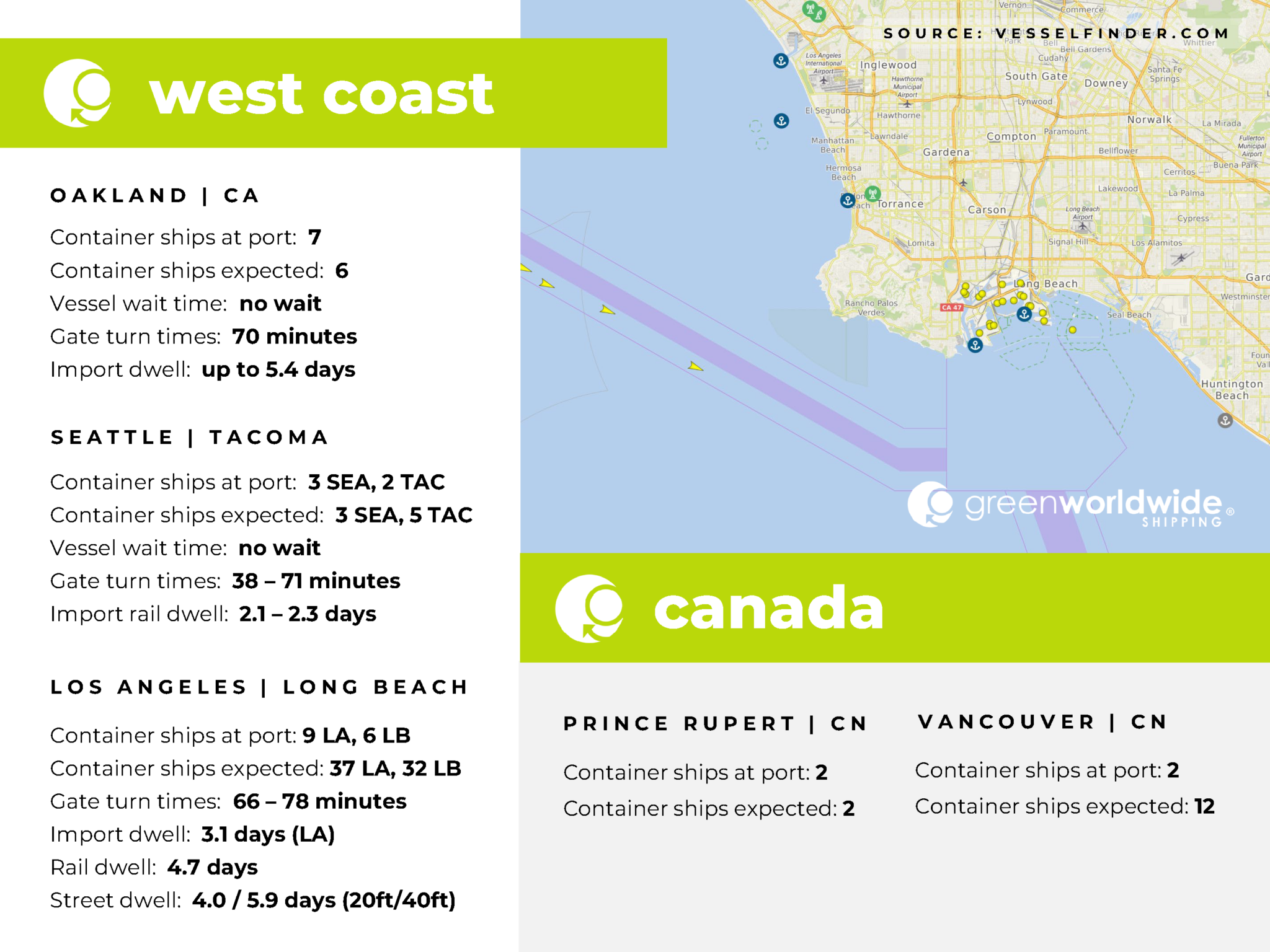
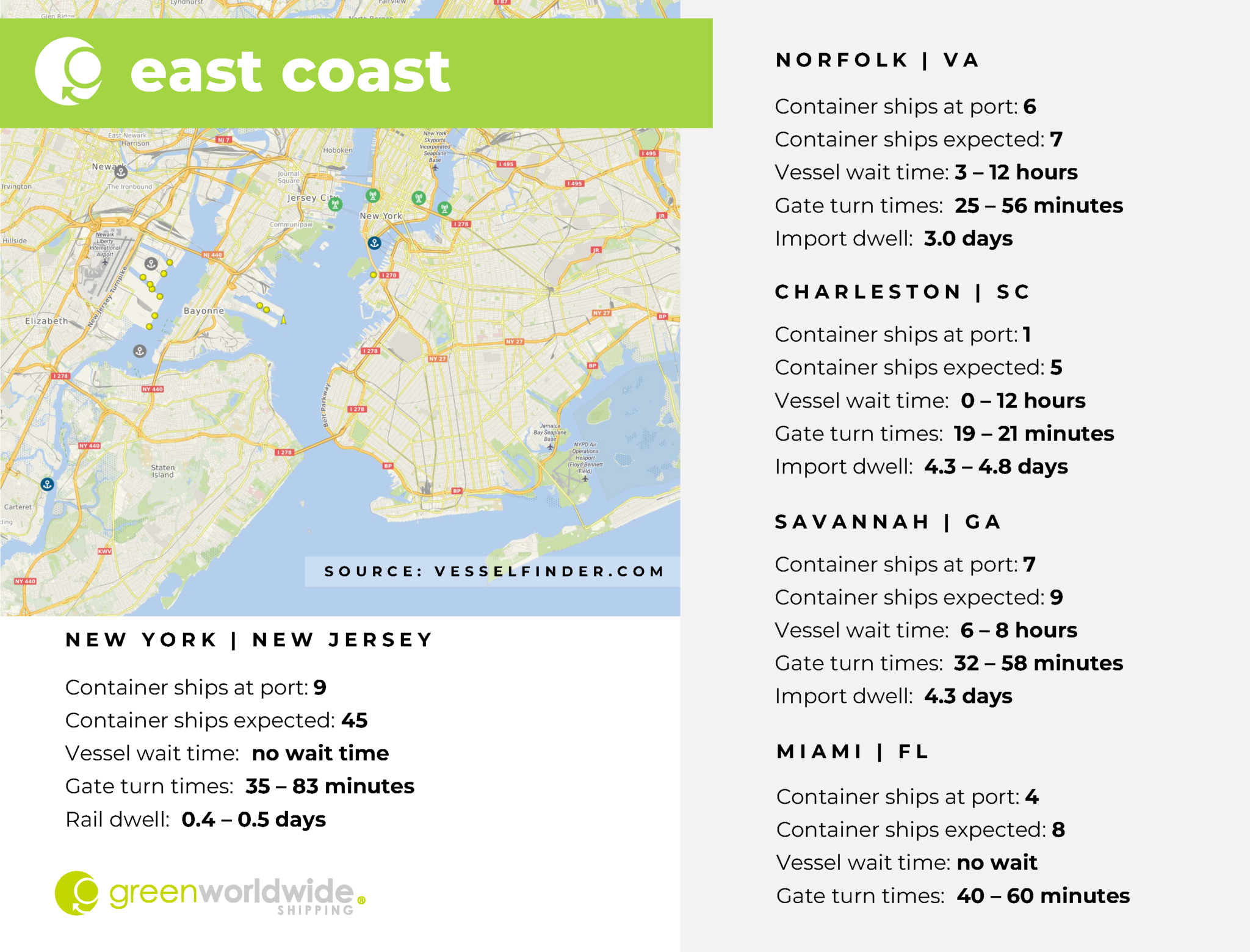
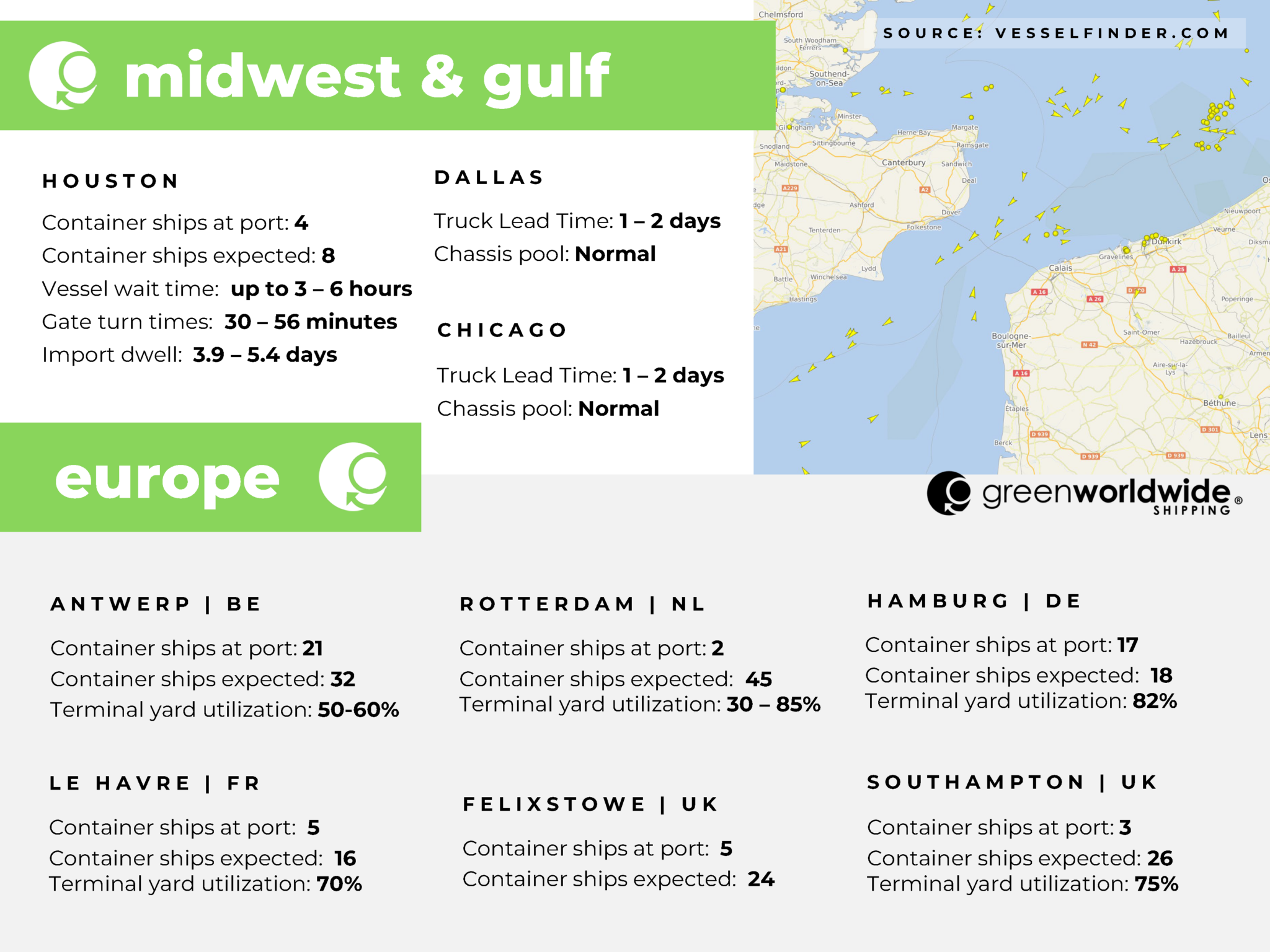
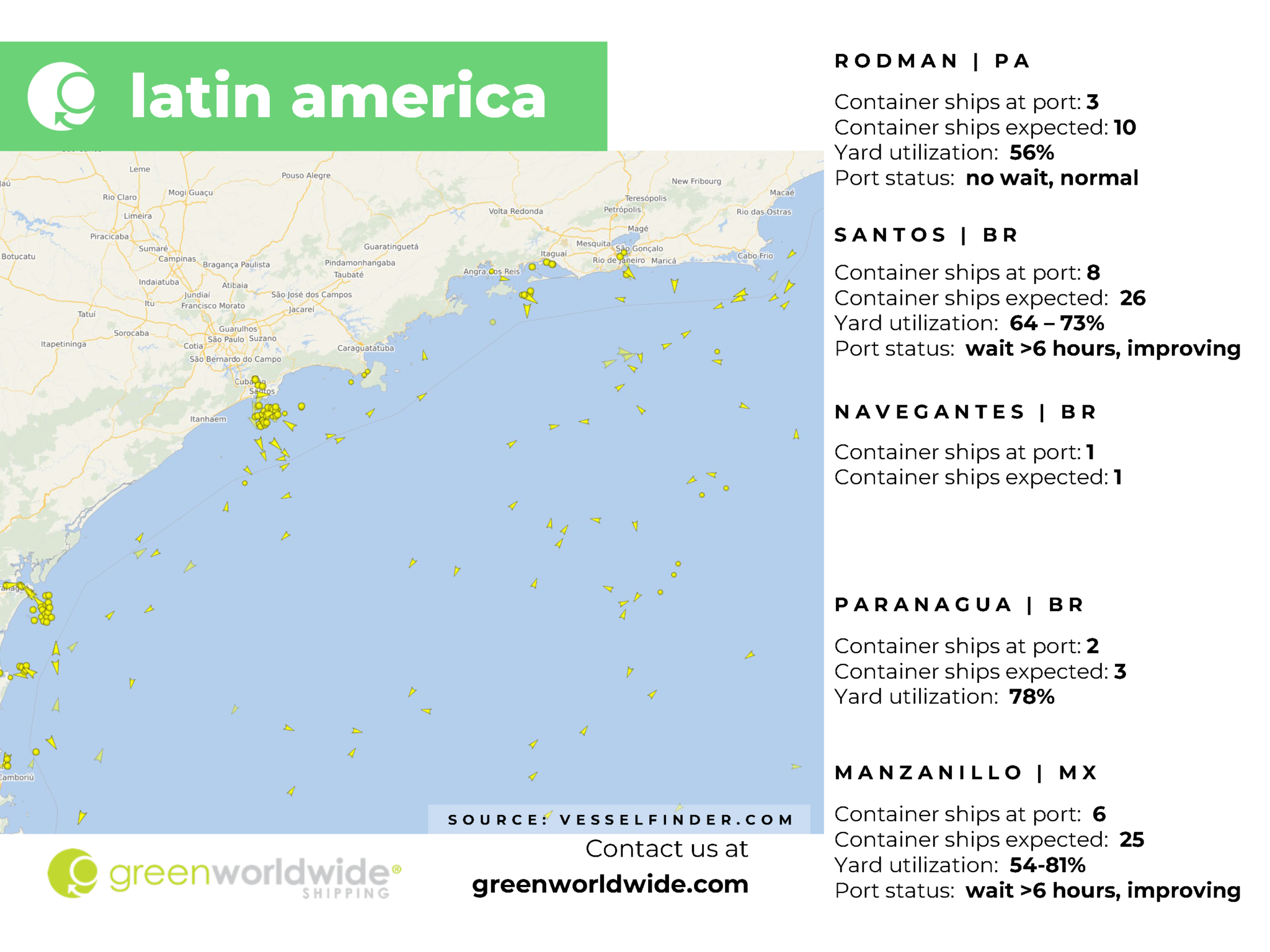
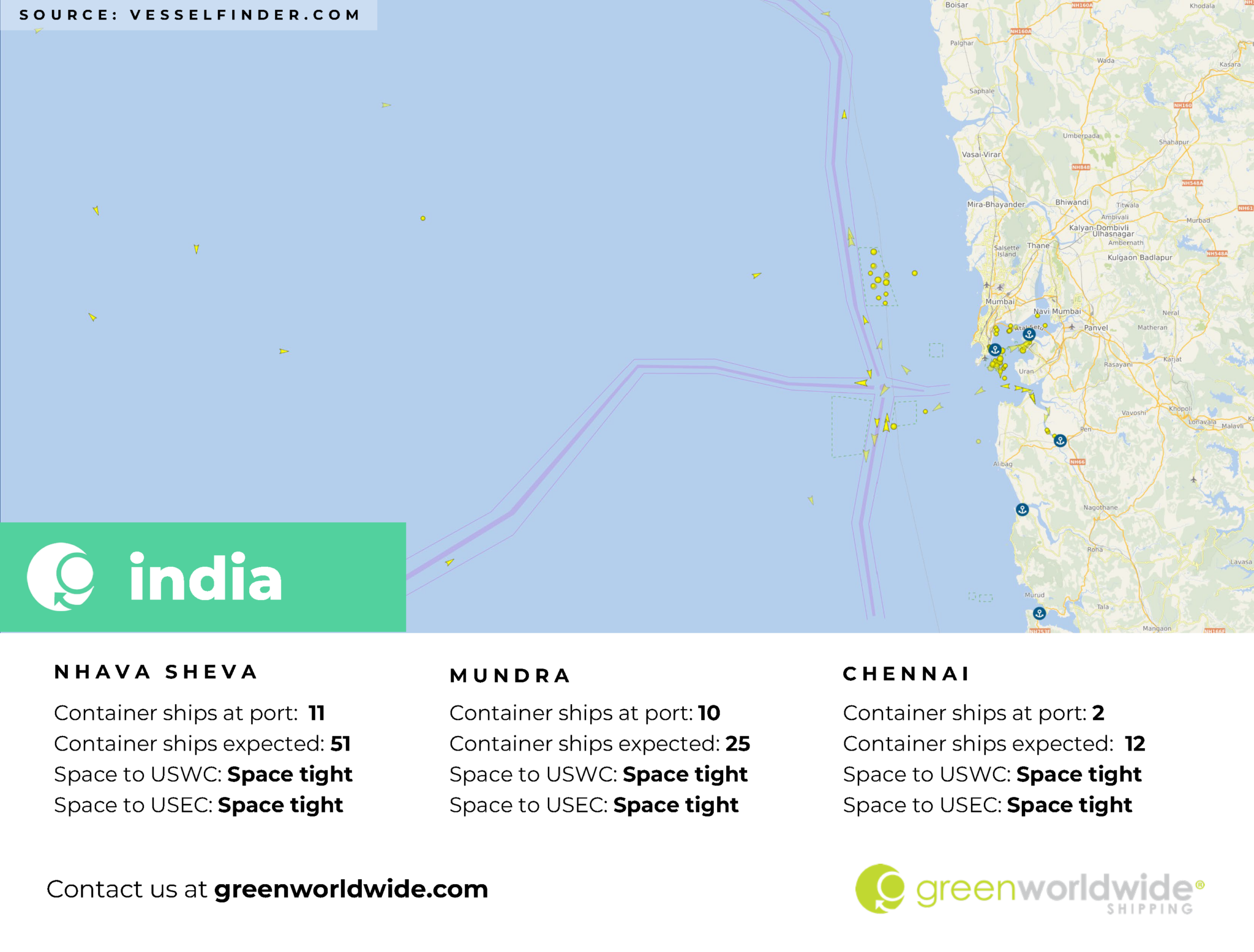
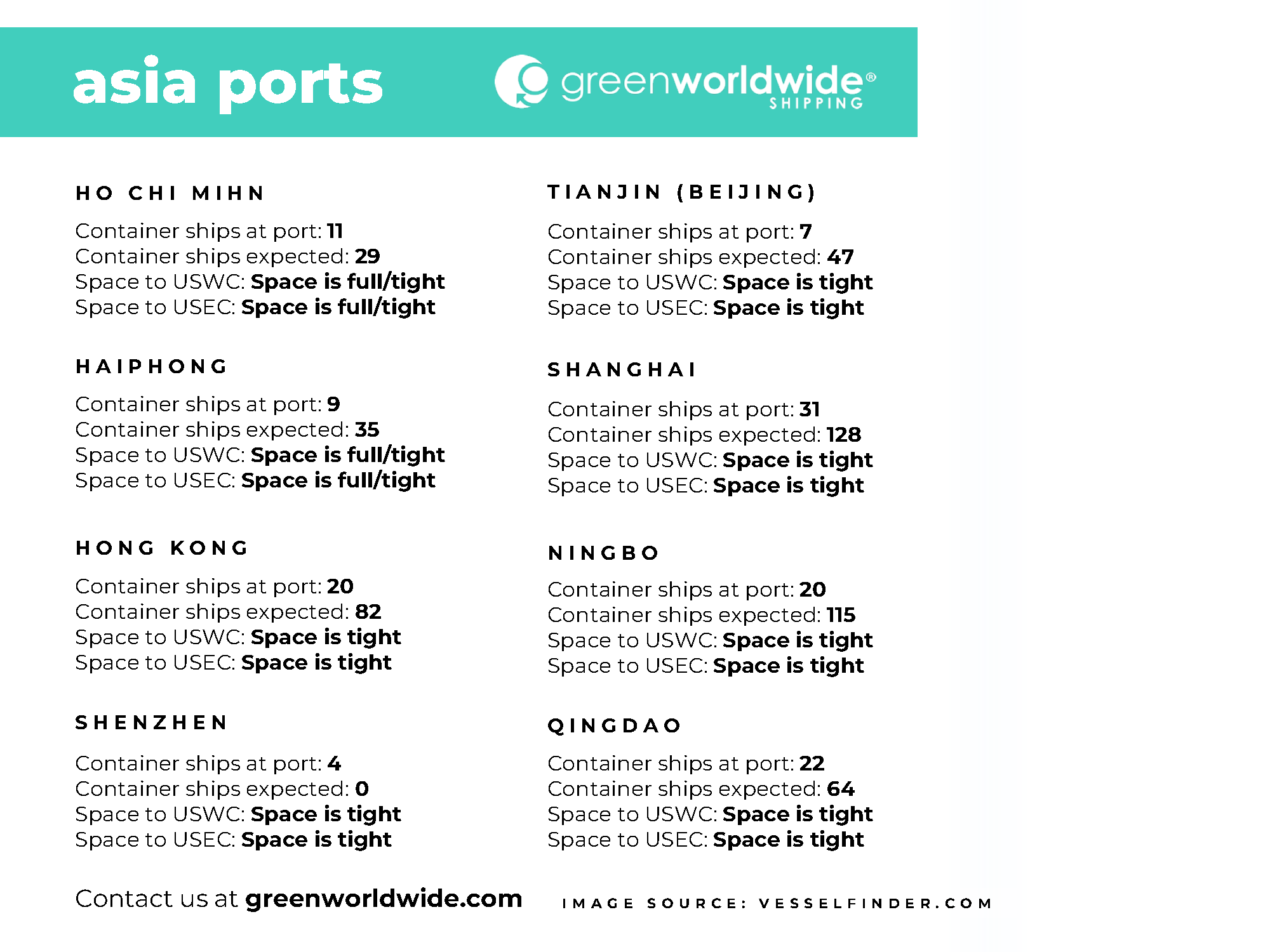
Stay up-to-date on freight news with Green’s Weekly Freight Market Update by following us on LinkedIn. For continuous updates, make sure to check out our website at greenworldwide.com.